Mobility & Home Safety Guides: Real Costs, Honest Answers
Every mobility and home-safety price range on one page: tubs, showers, stair lifts, lift chairs, ramps, grab bars, toilets, alerts, beds, and walkers.
Read the guide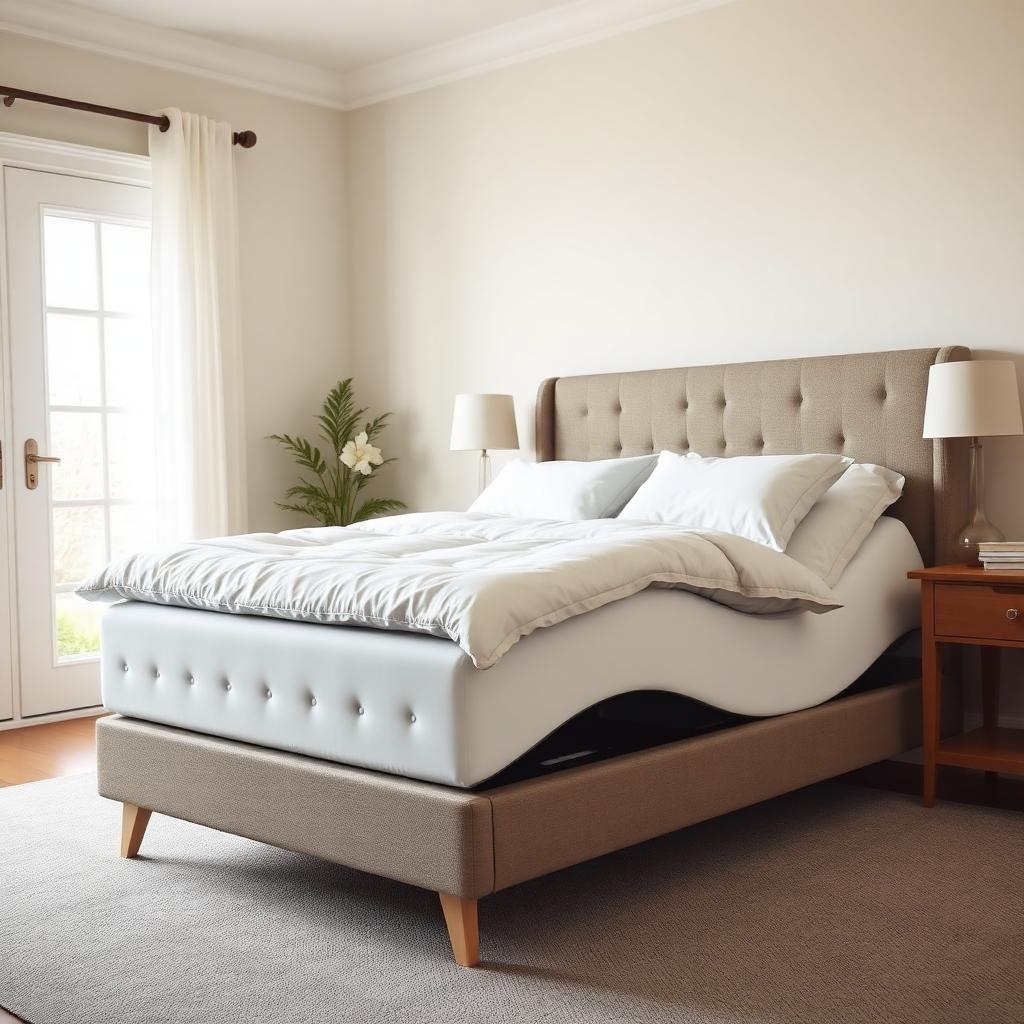
“Dad sleeps in his recliner because it’s hard for him to sit up in bed. Would a bed that raises your head work, and what does one cost?”
Quick answer: Most “adjustable beds” sold today are an adjustable base, a motorized frame that raises the head, and usually the foot, of a mattress you supply. The mattress is almost always sold separately. A full bed set (base plus a mattress made to flex) costs more than the base alone. A split-king setup uses two bases, so it costs roughly double a single base. Prices vary widely by size and feature level, so compare written quotes for the same size and feature set. The features that matter for getting in and out of bed are a small set, not the most expensive model.
| Option | What’s included | Price position |
|---|---|---|
| Adjustable base only | The motorized frame, legs, and a remote. It sits inside an existing bed frame or stands on its own legs. | The lowest entry price. Your mattress has to be compatible. |
| Base plus mattress set | A base and a mattress sold together as a match | Higher. You’re buying two products. |
| Split-king (two bases) | Two twin XL bases side by side, each with its own remote, so each sleeper adjusts their own side | About two bases’ worth, plus two twin XL mattresses |
Compare bases of the same size with the same features. A base with massage, lights, and app control isn’t comparable to one that only raises the head and foot.
Ask for the base and the mattress priced as separate lines, with delivery and setup listed too, before comparing sellers.
Adjustable bases are heavy and usually ship in large boxes. Some sellers include in-room setup and haul-away of the old bed. Others charge for it or leave the box at the door. Ask what delivery includes, and who will take away the old mattress and frame.
A consumer adjustable base is sold as furniture. A home hospital bed is a separate category of equipment. It typically adds features like a raise-and-lower deck height and side rails, and a clinician orders it. They’re different products with different purchase and coverage rules. If the person needs a bed that changes height or needs rails, ask their clinician and a medical equipment supplier rather than a mattress store. This site is not affiliated with Medicare, CMS, or any government agency.
Check the fit first: bed height, which side the person gets out on, and where the remote and night light sit all affect whether a bed works for someone with limited mobility. Having an occupational therapist look at the bedroom and the person’s bed transfers is a common and worthwhile step. Red flags worth raising with a clinician include a recent fall getting out of bed or new trouble sitting up. This is general information, not personal medical advice.
Rule of thumb: buy the base for a head lift, a wall-hugger design, a simple remote, and a battery backup. Skip the extras you won’t use. Before you order, confirm your mattress will bend, and get the base and the mattress priced as separate lines.
Every mobility and home-safety price range on one page: tubs, showers, stair lifts, lift chairs, ramps, grab bars, toilets, alerts, beds, and walkers.
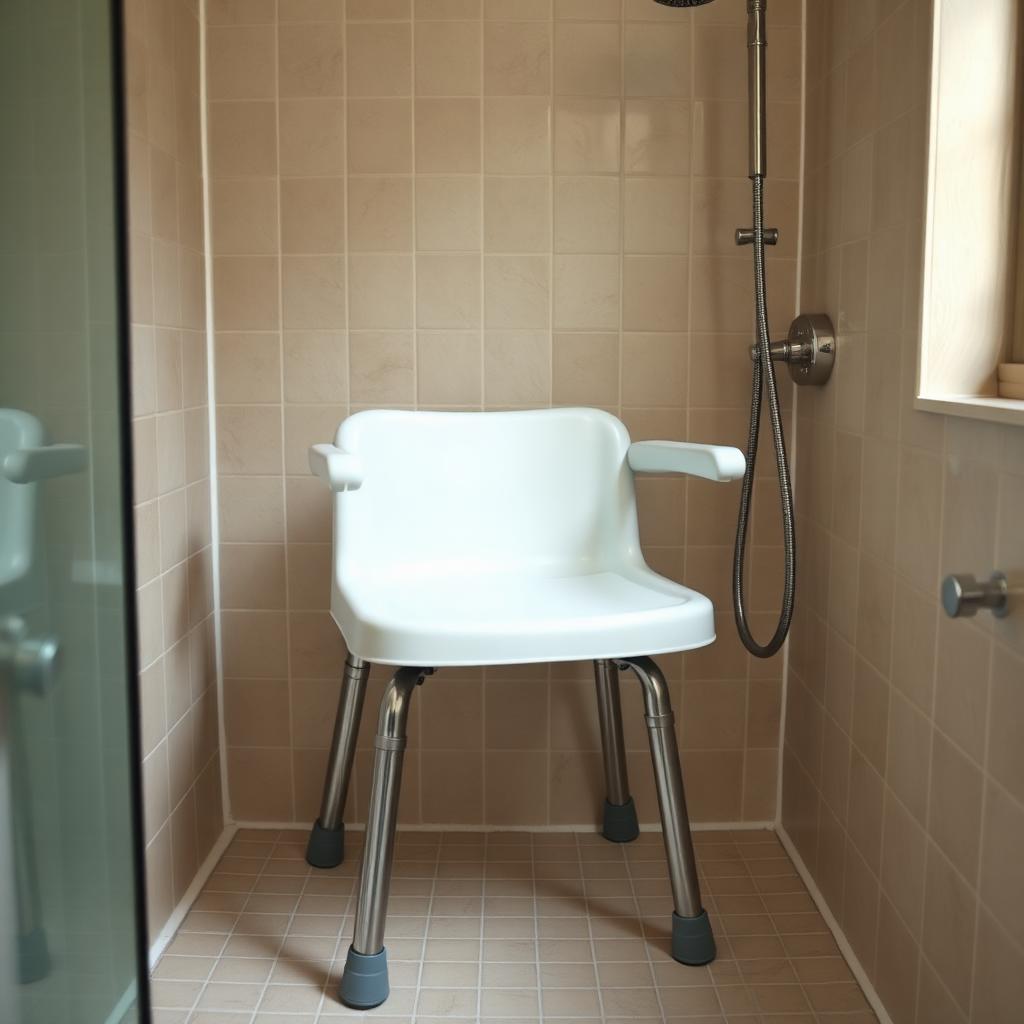
Read the guideShower seats generally cost $15\u2013$150. Chairs vs stools vs transfer benches, weight ratings, and why most need no installation.
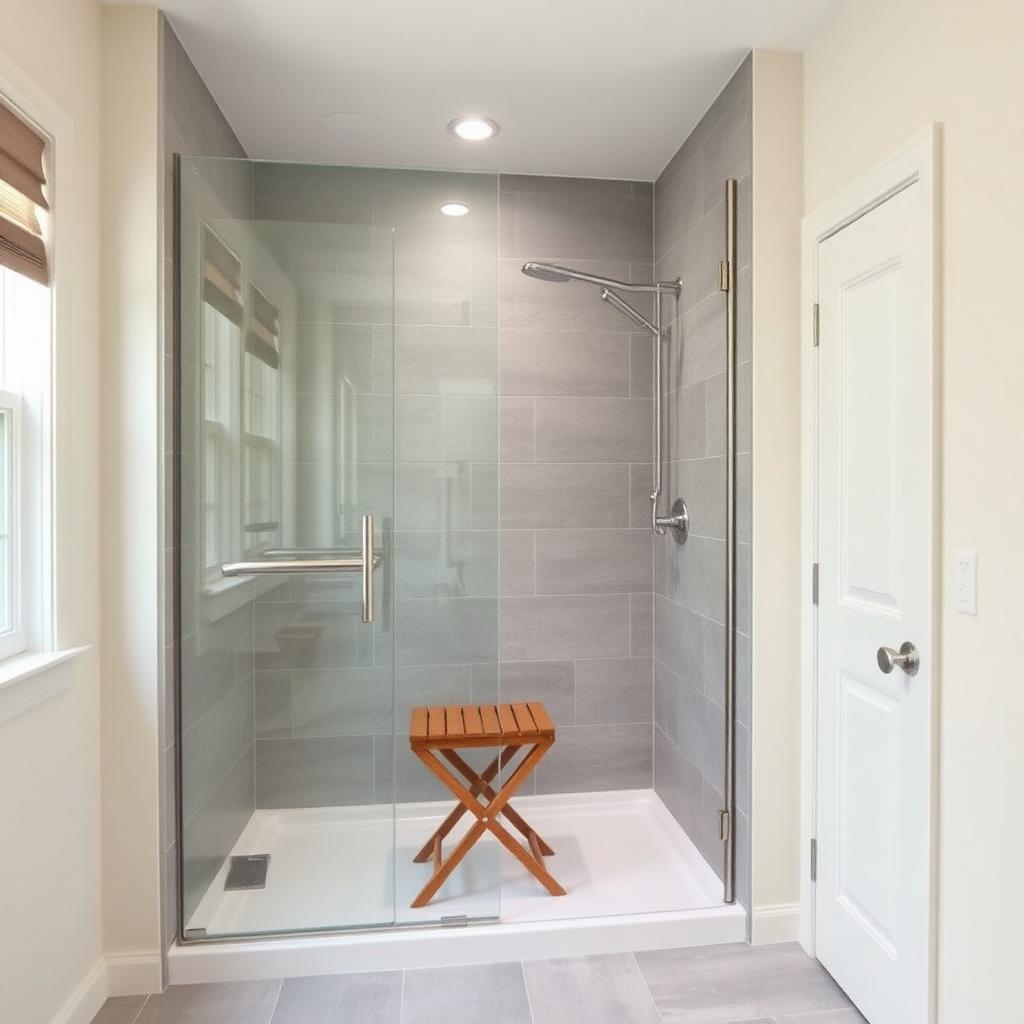
Read the guideTub-to-shower conversion kit vs a full remodel, curb and door options, and the resale catch of removing the house\x27s only tub.
Read the guide