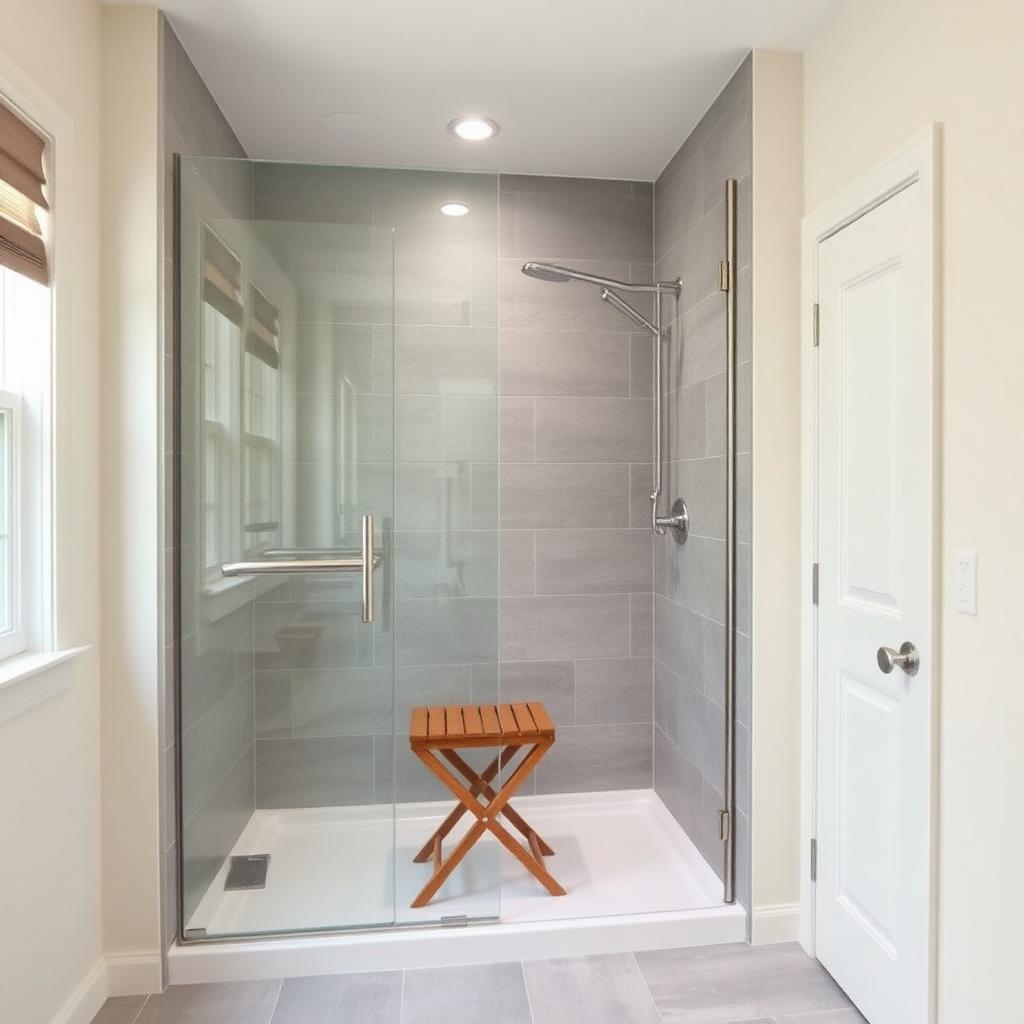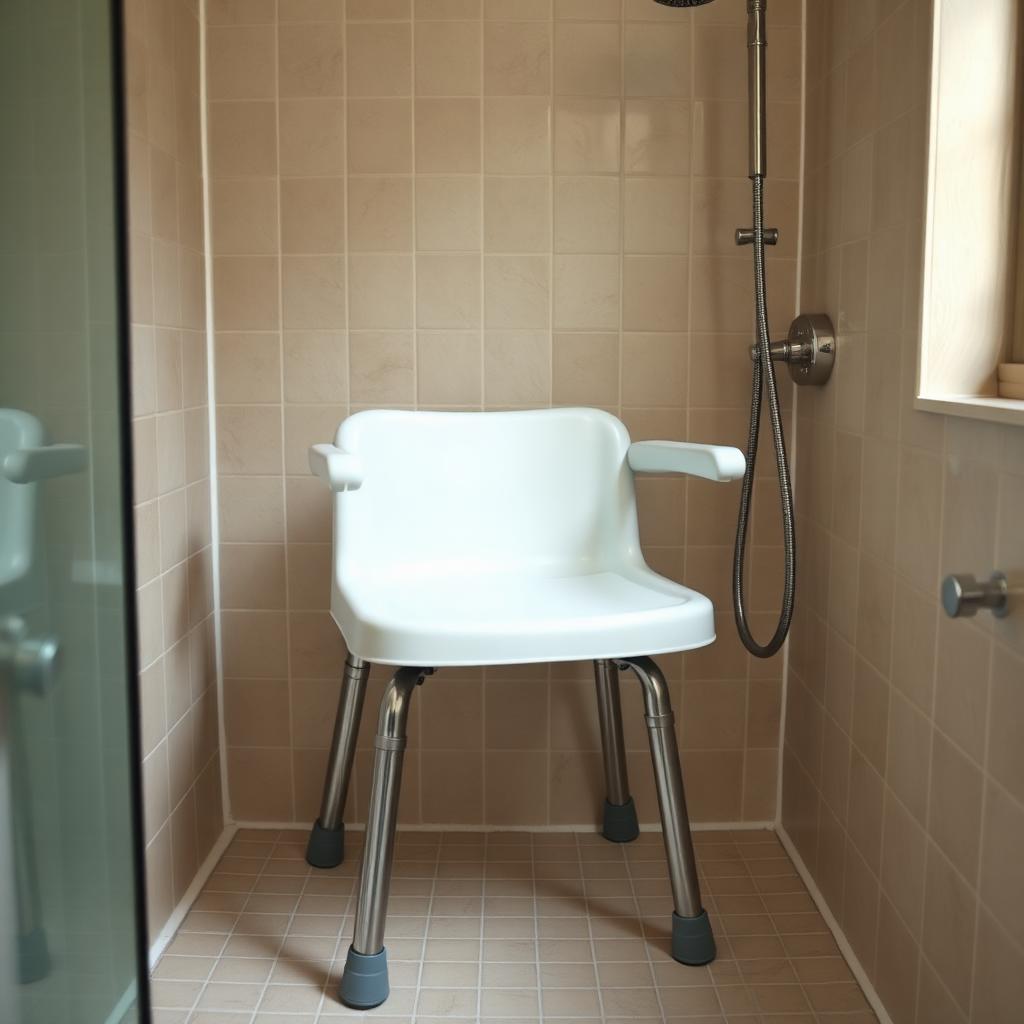
Shower Chair Cost: Shower Seats, Tub Benches, and When a Transfer Bench Is the Better Buy
Shower seats generally cost $15\u2013$150. Chairs vs stools vs transfer benches, weight ratings, and why most need no installation.
Read the guide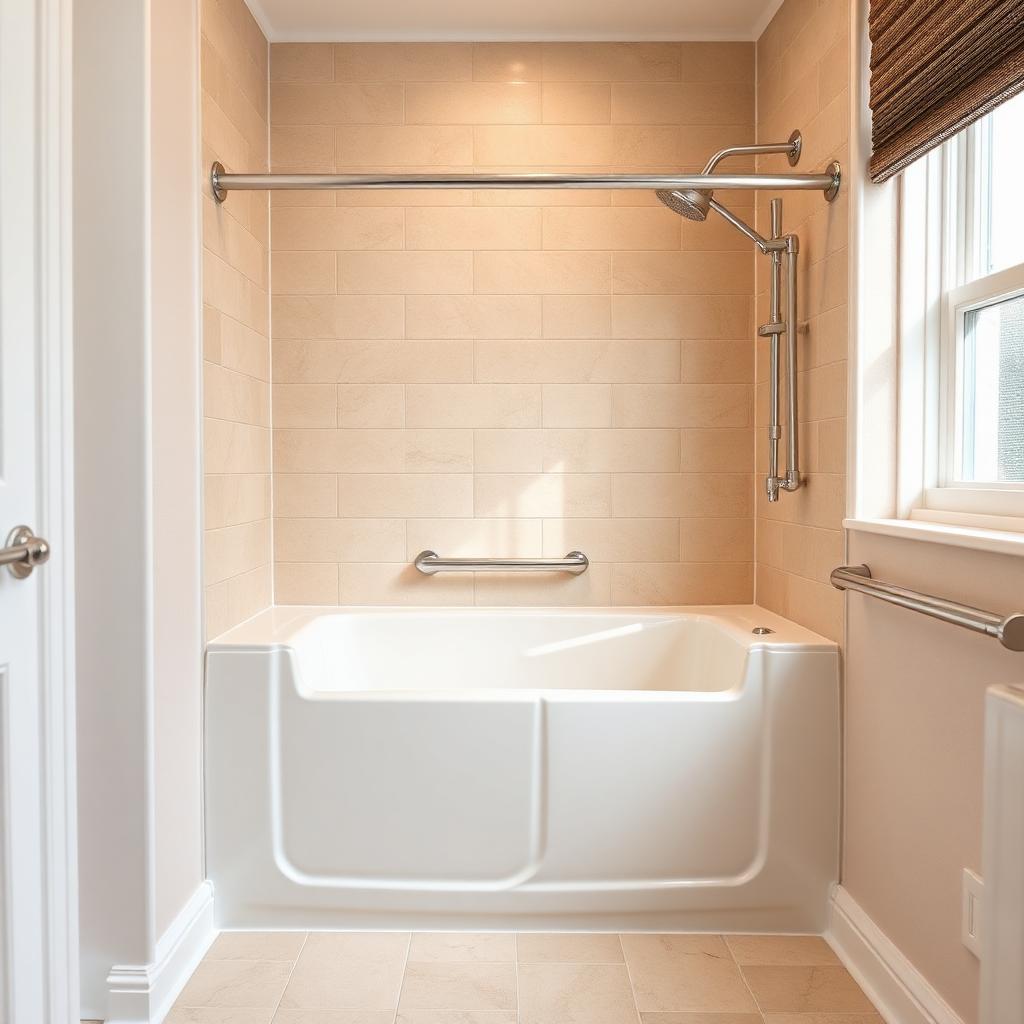
“Mom can’t step over the side of the tub anymore. What does a walk-in tub actually cost — and is it worth it?”
Quick answer: A walk-in tub costs $4,000–$15,000 installed, with an average of about $8,000 (Angi’s 2026 cost data). Where a project lands in that range depends on four things: the unit itself, plumbing and electrical work, whether the doorway needs widening, and removing the old tub.
| Item | What it means for the price |
|---|---|
| Typical installed range | $4,000–$15,000 |
| Average installed project | About $8,000 |
| Low end of the range | A basic soaker unit dropped into the same footprint as the old tub, using existing plumbing |
| High end of the range | A jetted unit, new electrical circuit, moved drain or supply lines, a widened bathroom door, and wall or floor repair |
Read the range as a band, not a bid. Two homes buying the same tub can land thousands of dollars apart because of what happens behind the wall.
A soaker walk-in tub is just deep water and a seat. It costs less, has fewer parts to maintain, and usually needs no new electrical work.
A jetted walk-in tub adds air jets, water jets, or both. That means a pump, more plumbing inside the tub, and electrical work to run it. It sits toward the top of the price range, and it has more parts that can wear out. If the person who will use the tub mainly wants an easier way in and out, a soaker covers that need for less money.
Original Medicare generally does not cover walk-in tubs. They are treated as home modifications rather than durable medical equipment. Some Medicare Advantage plans and state Medicaid waiver programs have offered home-modification help, but that varies by plan and by state. Ask the plan or your state program directly before counting on it. This site is not affiliated with Medicare, CMS, or any government agency.
Before you buy: step-in height, seat height, door swing, and where the grab bars sit all affect whether the tub works for the person using it. Having an occupational therapist check the fit — in the actual bathroom, before ordering — is a common and worthwhile step. This is general information, not personal medical advice.
Rule of thumb: budget for the middle of the range, around $8,000, and let the itemized quote tell you whether your bathroom is a low-end or a high-end job. If a quote only gives one number, ask for the lines behind it.
Comparing options? See the walk-in shower cost guide.
Want a price for your own bathroom?
Call (833) 246-4339 to connect with a local walk-in tub installer who can measure your space and give you a written quote.
Disclaimer: Mobility Cost Check is a free service to assist homeowners in connecting with local service providers. All contractors/providers are independent and Mobility Cost Check does not warrant or guarantee any work performed. It is the responsibility of the homeowner to verify that the hired contractor furnishes the necessary license and insurance required for the work being performed. All persons depicted in a photo or video are actors or models and not contractors listed on Mobility Cost Check. Same-day and 24/7 emergency services are subject to provider participation, location, technician availability, and demand. Availability is not guaranteed and may vary by market and appointment capacity.
Shower seats generally cost $15\u2013$150. Chairs vs stools vs transfer benches, weight ratings, and why most need no installation.
Read the guideTub-to-shower conversion kit vs a full remodel, curb and door options, and the resale catch of removing the house\x27s only tub.
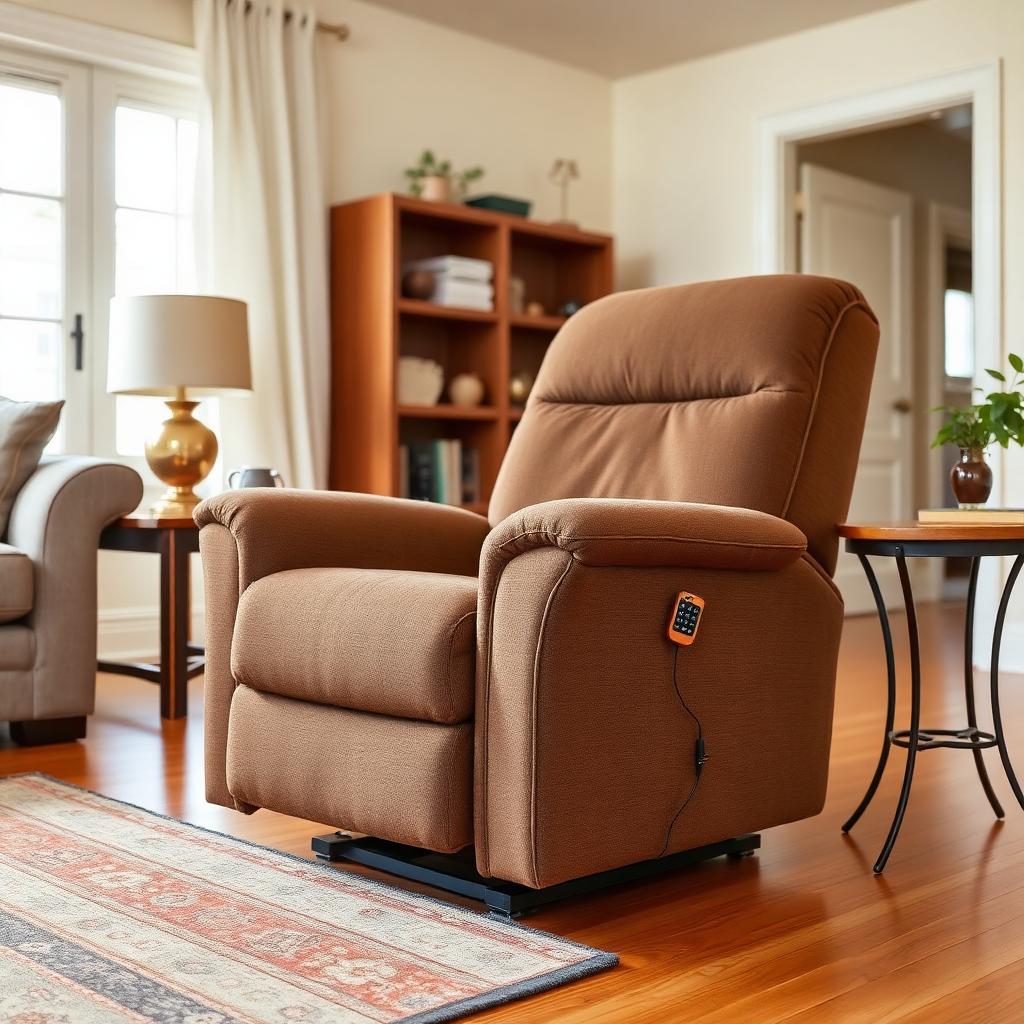
Read the guideLift chairs priced by type: 2-position, 3-position, and infinite-position. Fit facts, the Medicare lift-mechanism question, and the cheaper lift-cushion option.
Read the guide