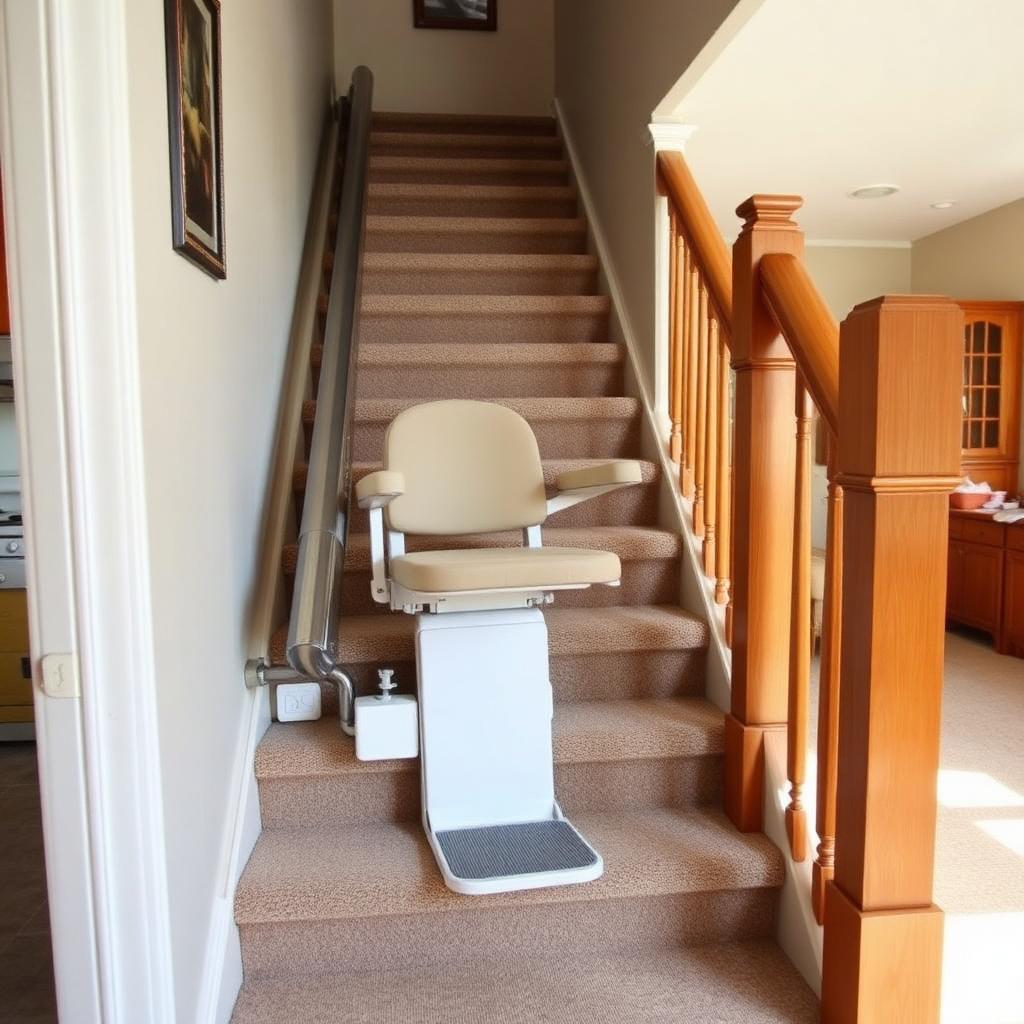
Stair Lift Cost: Straight vs Curved, and Why Quotes Vary So Much
Straight stair lifts cost $2,500–$8,000; curved can reach $25,000. Why custom rails cost more, plus rental and used options.
Read the guide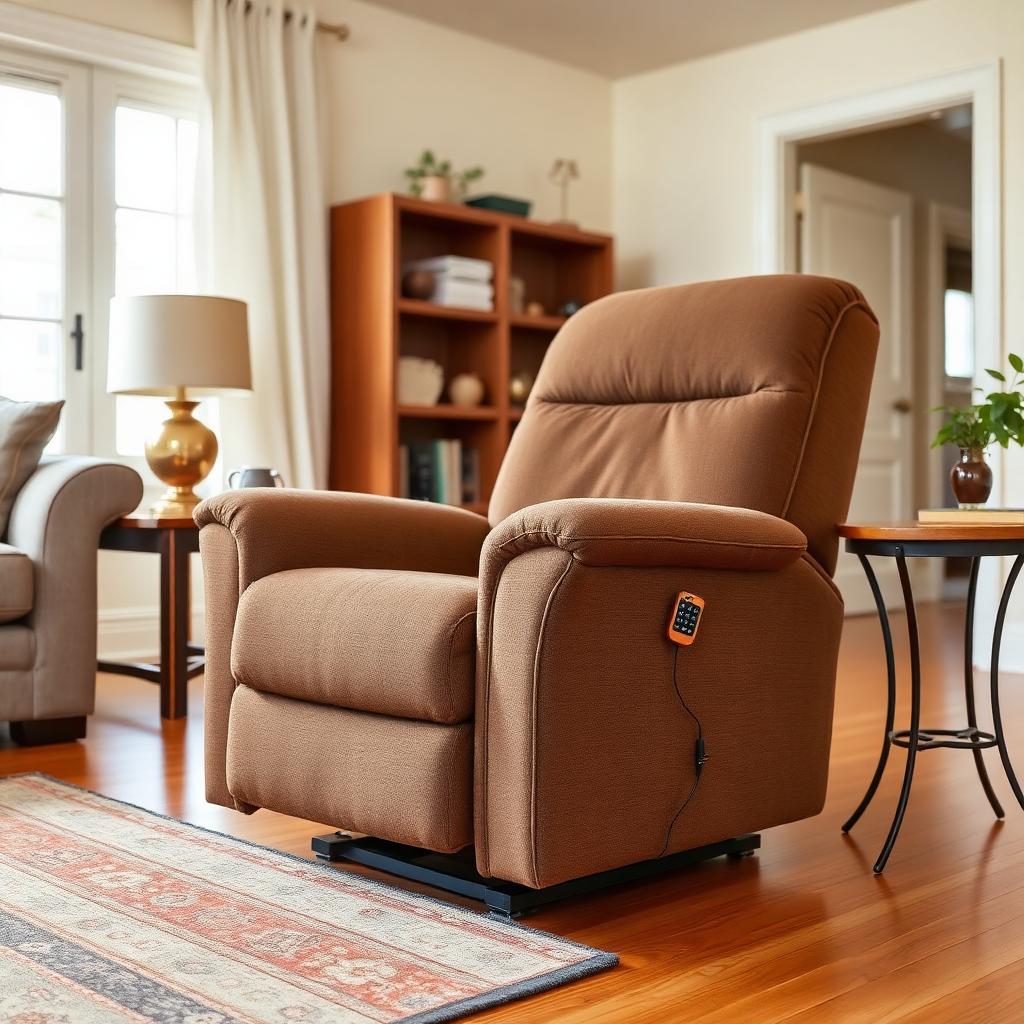
“Dad struggles to get up out of his recliner. Is one of those chairs that lifts you up worth the money, and what do they cost?”
Quick answer: A lift chair is a powered recliner. A motor raises the whole chair and tilts it forward so the person rises toward standing instead of pushing up out of a low seat. The price depends mostly on the type of recline. 2-position chairs cost the least, 3-position chairs cost more, and infinite-position chairs cost the most. Compare written prices for chairs of the same type and size before you buy. If the main problem is only getting up from a chair that is otherwise fine, a lift cushion on the existing recliner is the cheaper option to price first.
| Type | How it reclines | Price position |
|---|---|---|
| 2-position | Upright and a slight recline for TV or reading. One motor moves the back and footrest together. | Usually the lowest-cost type |
| 3-position | Reclines further, to a near-napping position. The back and footrest still move together. | A step up from 2-position |
| Infinite-position | Usually two motors, so the back and the footrest move separately. It can recline close to flat. | The highest-cost type |
Within each type, price also rises with size and weight rating, upholstery (fabric, vinyl, leather), and extras such as heat, massage, a power headrest, or a battery backup. Compare chairs of the same type, size, and weight rating, or the comparison means little.
Most lift chairs need no installation. The back slides onto the base, and the chair plugs in. Some sellers include delivery into the room and setup. Others leave the box at the door, and these chairs are heavy. Ask what delivery includes before you compare prices, because “white-glove” delivery is sometimes a separate charge.
Original Medicare may cover only the lift mechanism (the motor that raises the seat) as durable medical equipment, when a doctor orders it and the chair comes from a Medicare-enrolled supplier. It does not pay for the chair itself, the upholstery, or the extras. Ask the supplier, in writing, what part of the price is billed as the lift mechanism and what you’ll pay yourself. This site does not sell or recommend insurance or Medicare plans, and it is not affiliated with Medicare, CMS, or any government agency.
A lift cushion sits on the seat of the existing chair. A spring or gas mechanism gives a gentle push as the person starts to stand. It’s portable, needs no power, and costs a small fraction of a lift chair. It falls in the small mobility-aid price band, generally $15–$150. A cushion makes sense when:
A cushion does not tilt the chair forward, and it raises the seat a little, so check that feet still reach the floor. If someone needs the chair to bring them most of the way to standing, a lift chair is the real comparison.
Whichever you choose, compare the same model across at least two sellers, with delivery and setup listed as separate lines.
Check the fit first: seat height, seat depth, and how far the chair needs to lift all affect whether a person can stand safely from it. Having an occupational therapist check the size and the type before you order is a common and worthwhile step. Red flags worth raising with a clinician include new trouble standing, dizziness when getting up, or a recent fall. This is general information, not personal medical advice.
Rule of thumb: pick the type by how far the person wants to recline, the size by their height and weight, and the seller by what delivery includes. If the only problem is the first push up out of the chair, price a lift cushion before you buy a new one.
Straight stair lifts cost $2,500–$8,000; curved can reach $25,000. Why custom rails cost more, plus rental and used options.
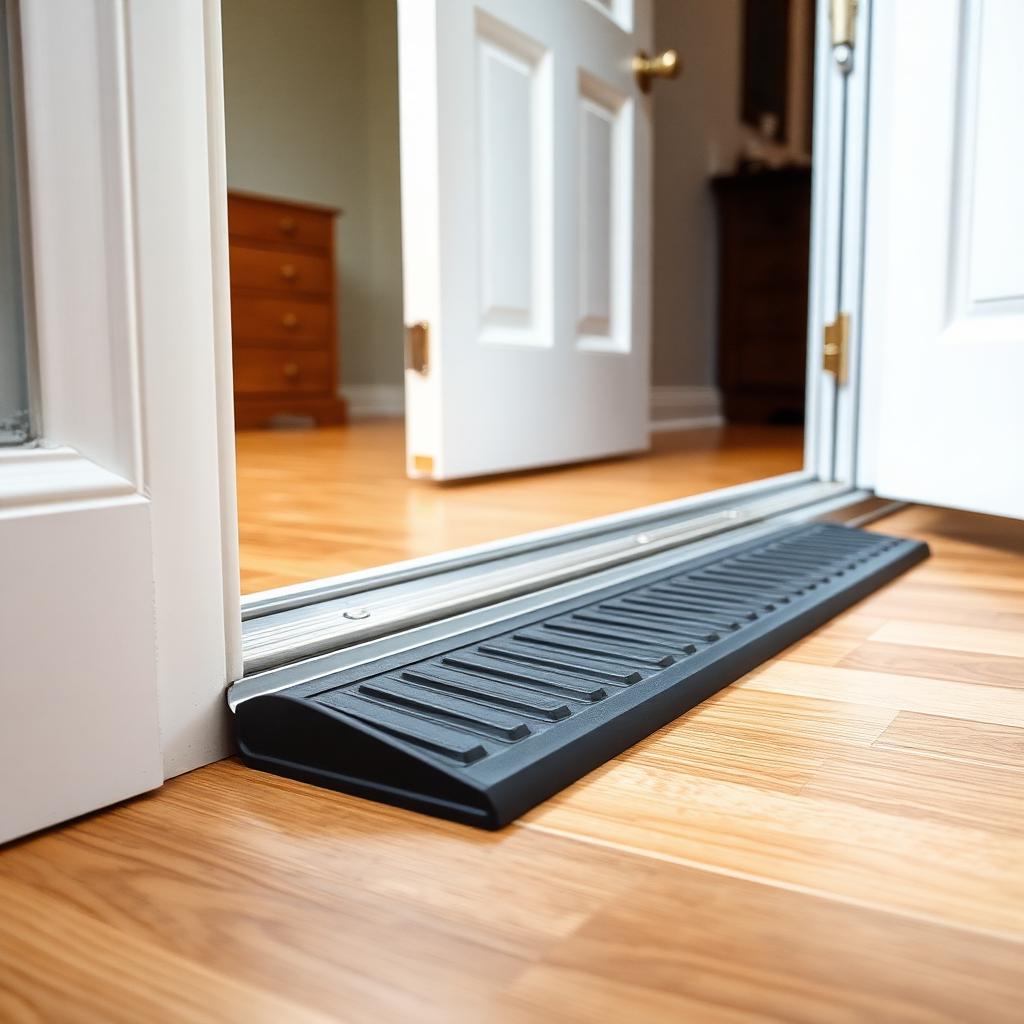
Read the guideThreshold ramps cost $15\u2013$150; modular ramps start around $1,000. The 1:12 rise math, and when a portable ramp is enough.
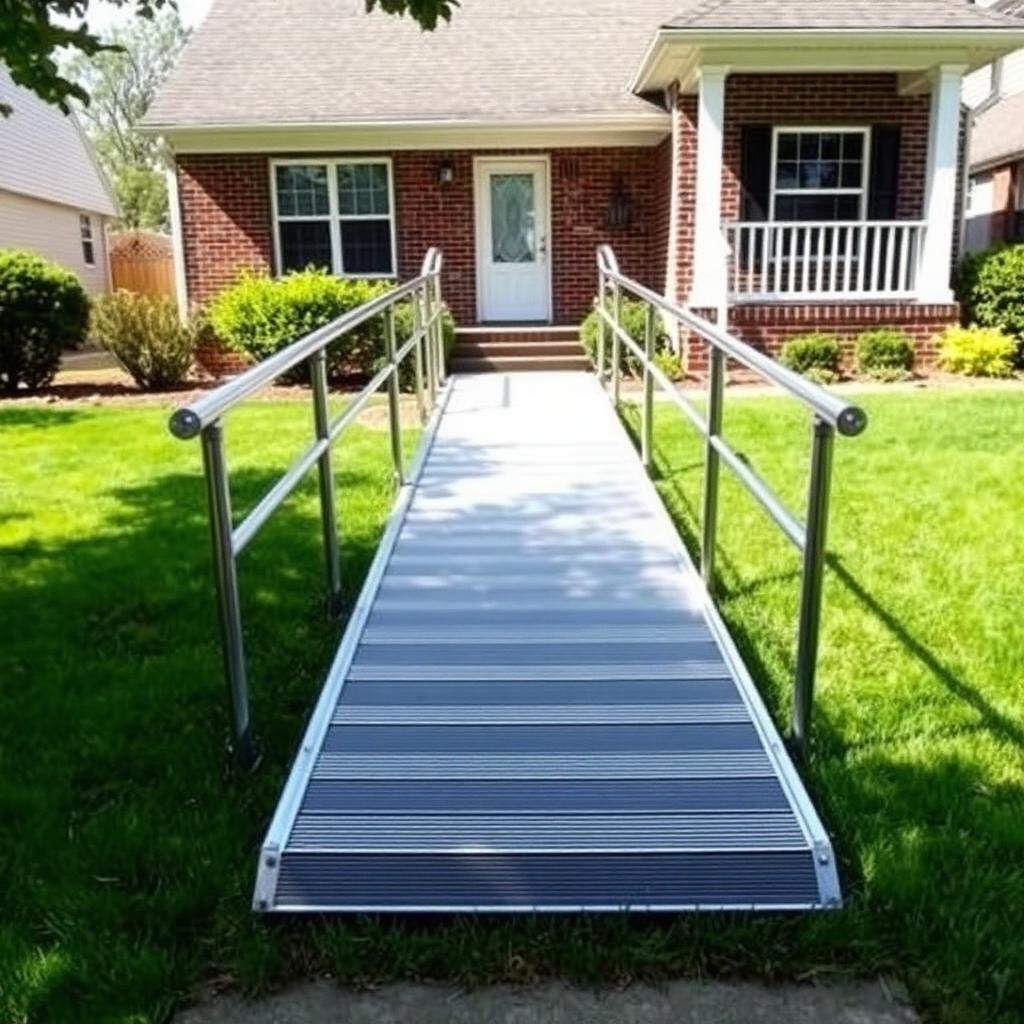
Read the guideRamps run $100–$250 per linear foot installed. The 1:12 slope math, materials, landings, and city permits.
Read the guide