Threshold Ramp Cost: Threshold, Portable, and Modular Ramps Priced by the Rise
Threshold ramps cost $15\u2013$150; modular ramps start around $1,000. The 1:12 rise math, and when a portable ramp is enough.
Read the guide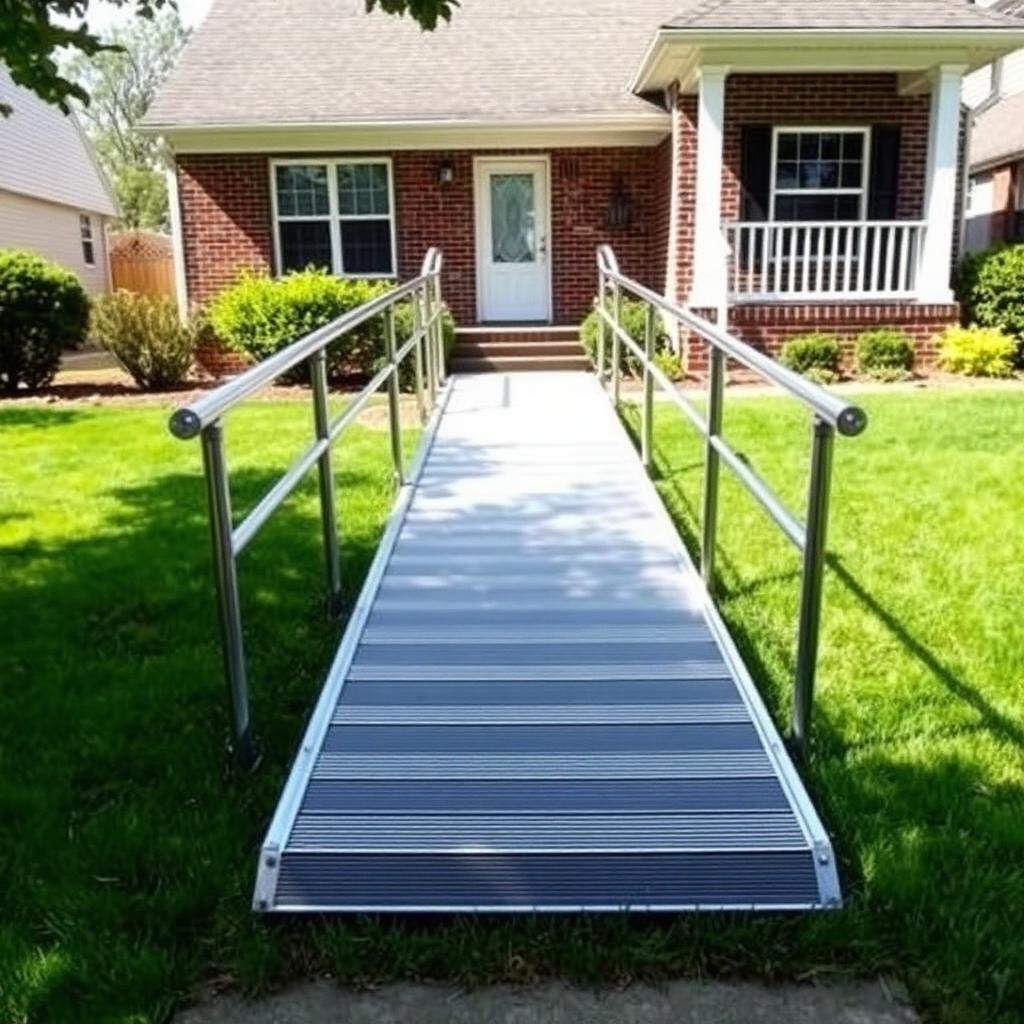
“We need a ramp for the house so Mom can get in and out in her wheelchair. How much is that going to run?”
Quick answer: Installed wheelchair ramps commonly run $100–$250 per linear foot (dealer data cited by HomeAdvisor). Modular aluminum systems start at about $1,000 for short runs. The length you need is set by the height of the step: at a 1:12 slope, every inch of rise takes a foot of ramp.
Measure the height from the ground to the top of the threshold. That’s the rise. At the widely used 1:12 slope, each inch of rise needs 12 inches of ramp:
| Rise | Ramp length at 1:12 | At $100–$250 per foot |
|---|---|---|
| 6 inches | 6 feet | $600–$1,500 |
| 12 inches | 12 feet | $1,200–$3,000 |
| 24 inches | 24 feet | $2,400–$6,000 |
| 30 inches | 30 feet | $3,000–$7,500 |
The last column is just length times the per-foot range. Landings, turns, and site work add to it. A modular aluminum system’s starting price of about $1,000 sets a floor even for very short runs.
Per-foot prices differ by material, so the $100–$250 range above is a starting budget, not a material price. Ask each installer for a per-foot price and a total, by material, on the same written quote.
The 2010 ADA Standards for public buildings are the common reference. Homes don’t have to follow them, but they’re a sound starting point:
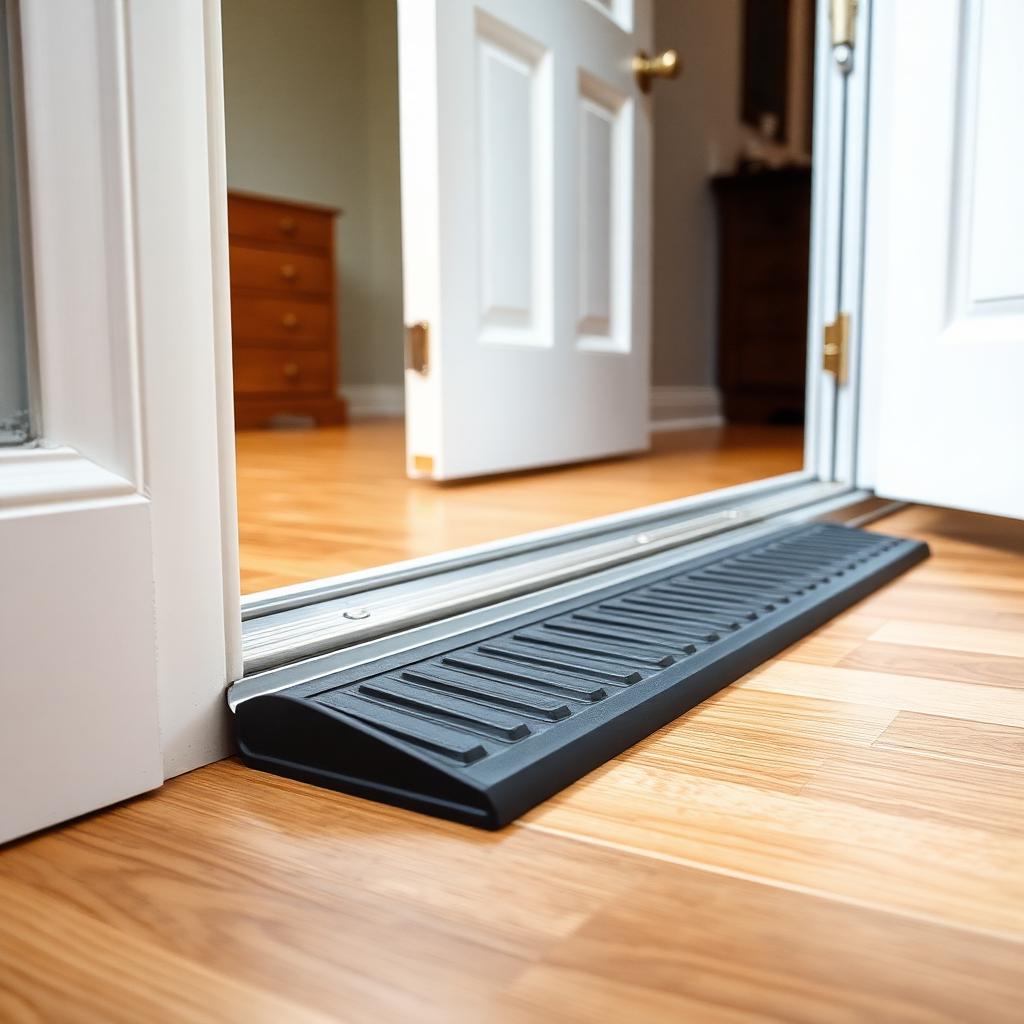
The top landing has to give room to open the door while the chair is on a level surface. For a single raised threshold at a doorway, a small threshold ramp is a different, much smaller purchase. Threshold ramps sit in the same small-aid price band as grab bars and shower seats, generally $15–$150.
Some cities require a permit for a permanent ramp, especially a wood or concrete one attached to the house. Some also apply setback rules near the property line. Modular ramps are sometimes treated differently. HOAs may have their own rules. Call your city’s building department before you build, and ask the installer who pulls the permit.
Check the fit: the right ramp depends on the chair (manual or power), who pushes, and the doorway. Having an occupational therapist or a mobility dealer look at the entry before you buy is a common and worthwhile step. This is general information, not personal medical advice.
Rule of thumb: measure the rise in inches. That number in feet is your ramp length at 1:12. Multiply by $100–$250 for a first budget, then add landings.
See the threshold ramp cost guide.
Threshold ramps cost $15\u2013$150; modular ramps start around $1,000. The 1:12 rise math, and when a portable ramp is enough.
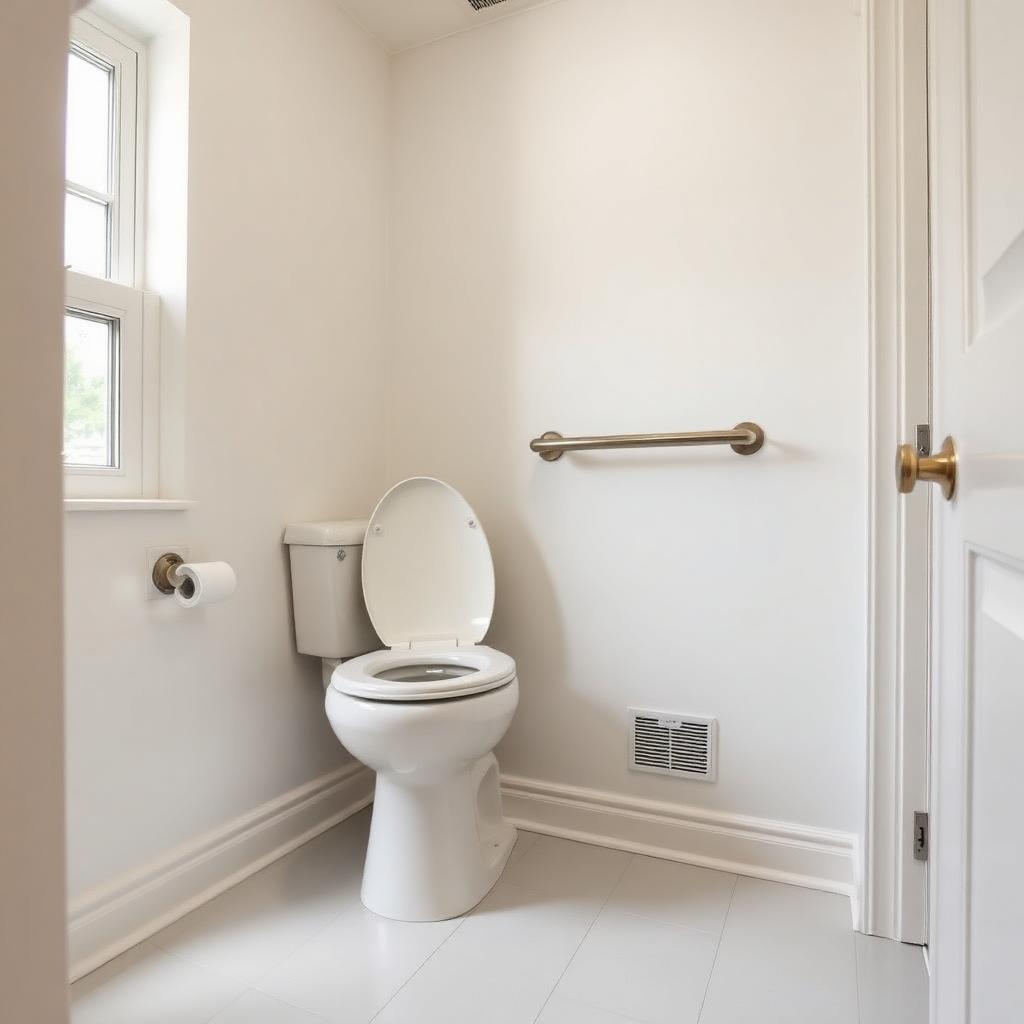
Read the guideADA and comfort-height toilets put the seat at 17–19 inches. New toilet vs riser seat, and what each costs.
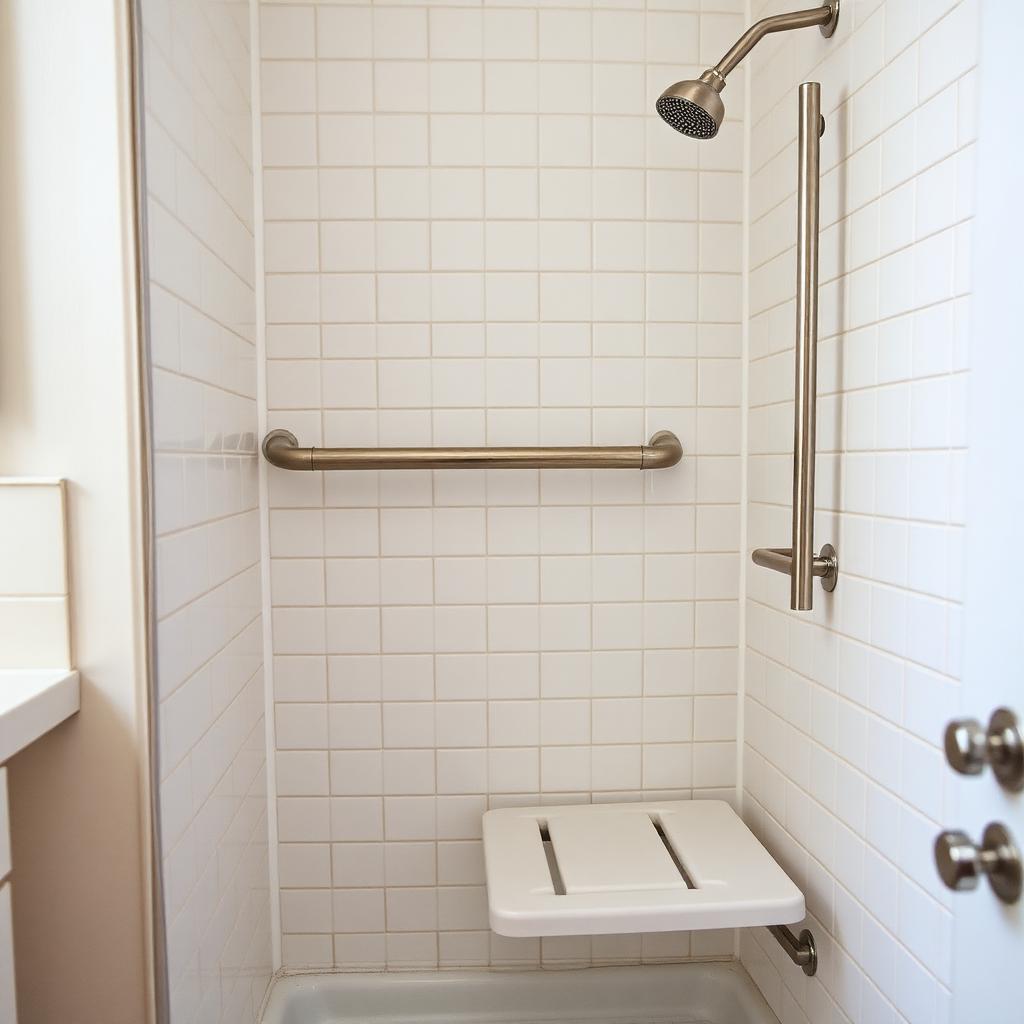
Read the guideGrab bars cost $15–$150 each plus labor. Studs, blocking, rated anchors, ADA heights, and why suction cups don't count.
Read the guide