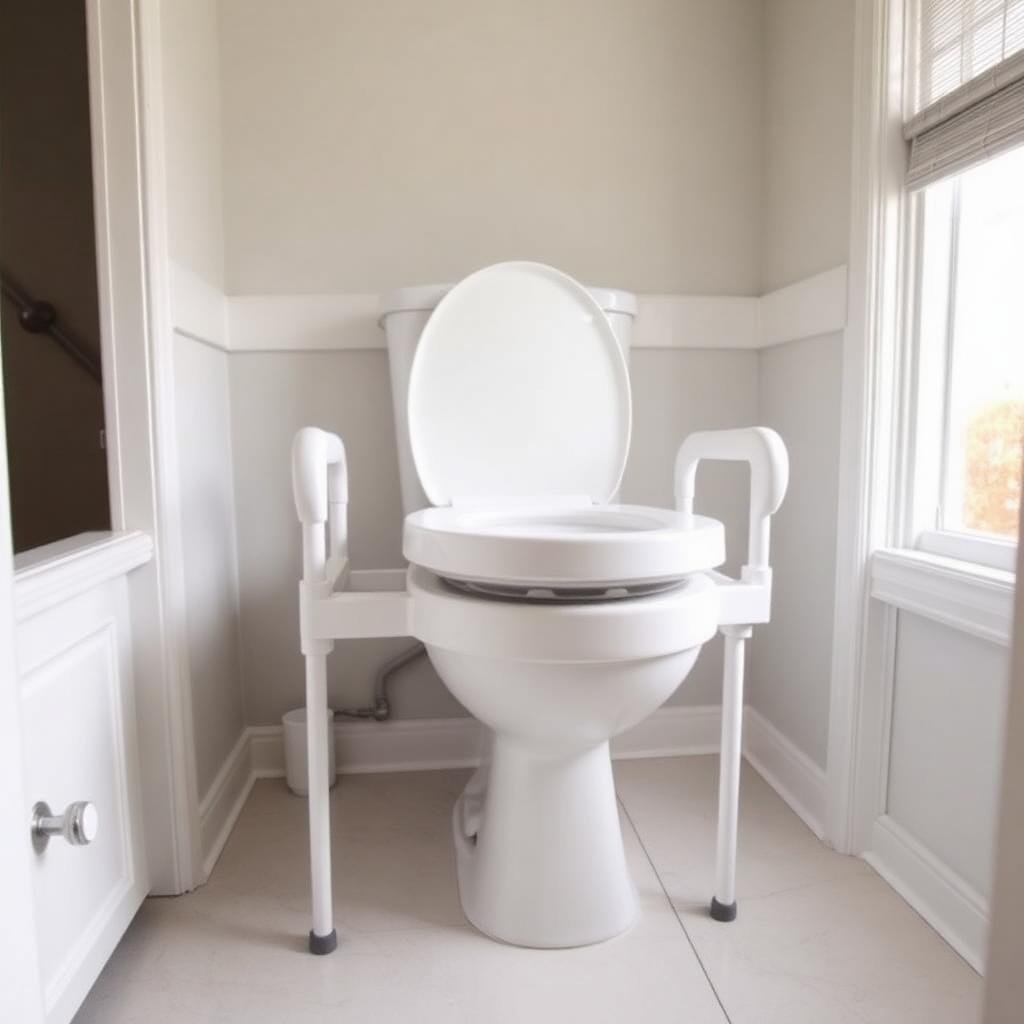
Toilet Lift Seat Cost: Powered Lifts vs Riser Seats, and What Fits Your Toilet
Riser seats cost $15\u2013$150, and powered toilet lifts are priced by quote. Bowl shape, weight, and space limits, and when a riser is enough.
Read the guide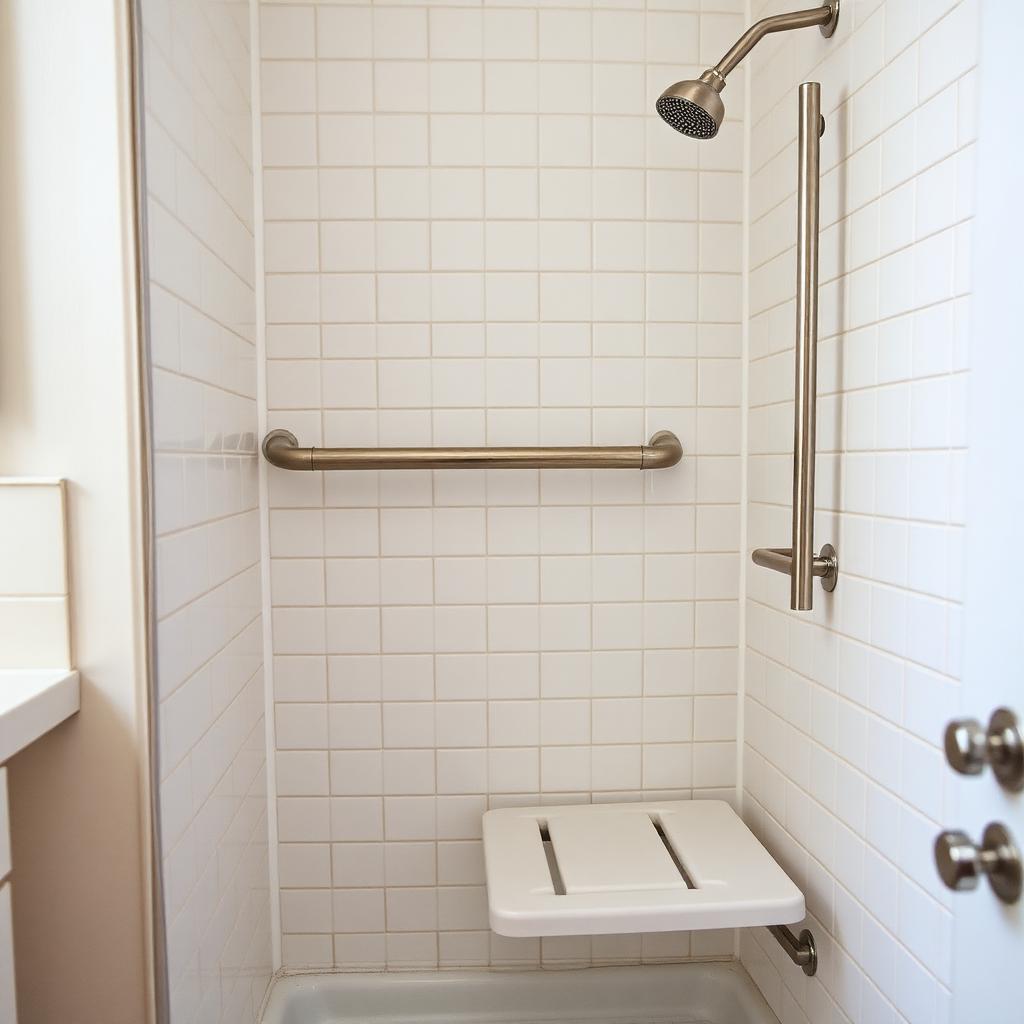
This guide contains paid links. As an Amazon Associate I earn from qualifying purchases.
“We need some bars for the shower so Grandpa has something solid to hold. What does it cost to have them put in properly?”
Quick answer: The bars themselves are small-ticket items. Grab bars, shower seats, and similar bathroom aids generally sell for $15–$150 each. The bigger variable is installation labor, which depends on what’s behind the wall: wood studs, solid blocking, tile, or a fiberglass surround. Get the labor priced per bar, in writing.
| Item | Cost basis |
|---|---|
| Grab bar (the product) | Generally $15–$150, depending on length, finish, and style |
| Installation labor | Priced per bar or per visit; ask for it itemized |
| Extras that raise labor | Drilling through tile, opening the wall to add blocking, fiberglass or acrylic surrounds |
Several bars installed in one visit usually cost less per bar than one bar at a time, because travel and setup are paid only once. Plan the whole bathroom at once.
Moen Home Care 24-Inch Stainless Steel Grab Bar with Concealed Screws
Its concealed-screw design suits the guide's emphasis on a grab bar that is properly fixed in place.
Check price on AmazonPaid link. As an Amazon Associate I earn from qualifying purchases.
The 2010 ADA Standards set placement rules for public buildings. Homes don’t have to follow them, but they’re a widely used reference point:
In a home, the best height is the one that fits the person using it. A vertical bar at the tub or shower entry, and a horizontal bar on the back wall, are common starting points.
Fit matters: where a bar goes depends on how the person moves — which hand is stronger, which way they turn, whether they sit or stand to shower. Having an occupational therapist suggest placement is a common and worthwhile step. This is general information, not personal medical advice.
Rule of thumb: the bar is the cheap part. Pay for an installation that goes into studs, blocking, or rated anchors, and install every bar the bathroom needs in one visit.
Shower seats are covered in the shower chair cost guide.
Riser seats cost $15\u2013$150, and powered toilet lifts are priced by quote. Bowl shape, weight, and space limits, and when a riser is enough.
Read the guideADA and comfort-height toilets put the seat at 17–19 inches. New toilet vs riser seat, and what each costs.
Read the guideFall detection adds about $10 a month at Medical Guardian, on top of $19.95\u2013$47.95 monitoring. How it works, and the truth about false alarms.
Read the guide