Wheelchair Ramp Cost: Aluminum, Wood, and Concrete Priced by the Foot
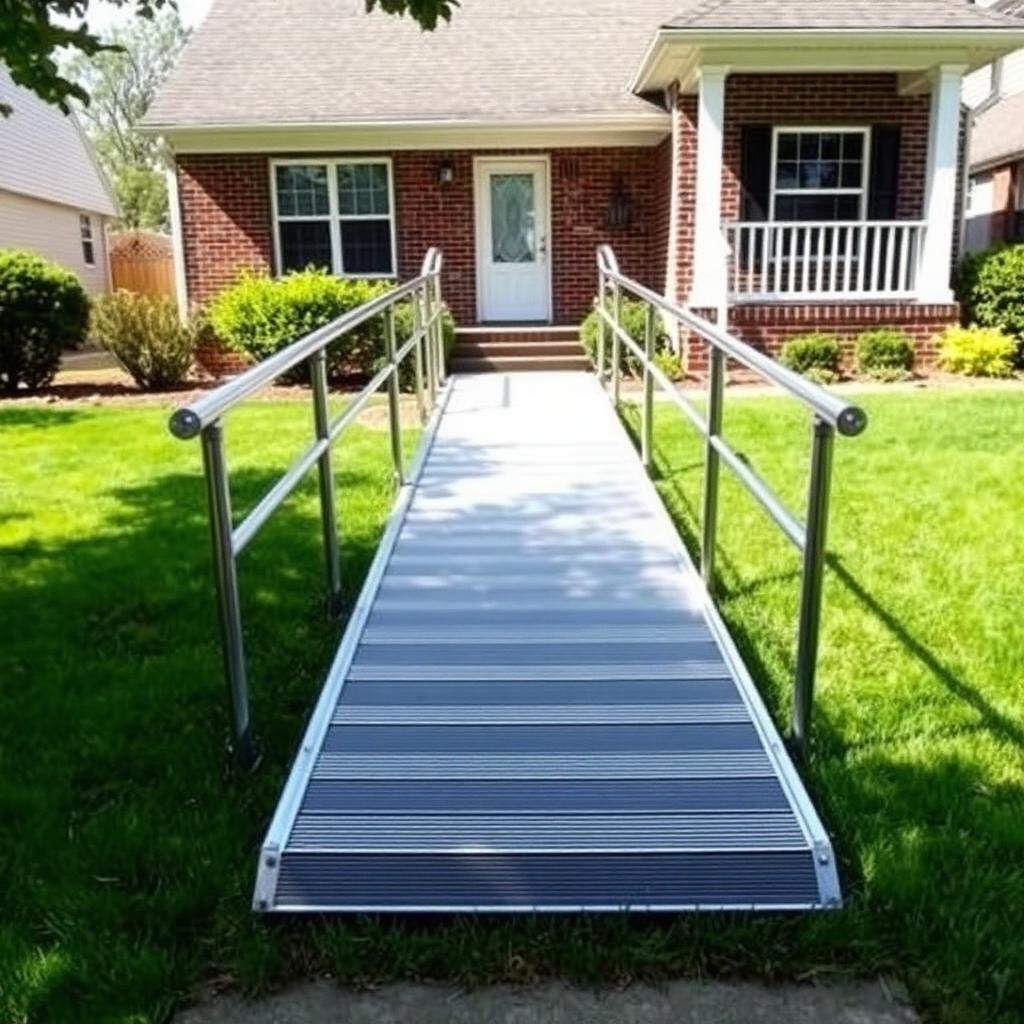
Ramps run $100–$250 per linear foot installed. The 1:12 slope math, materials, landings, and city permits.
Read the guide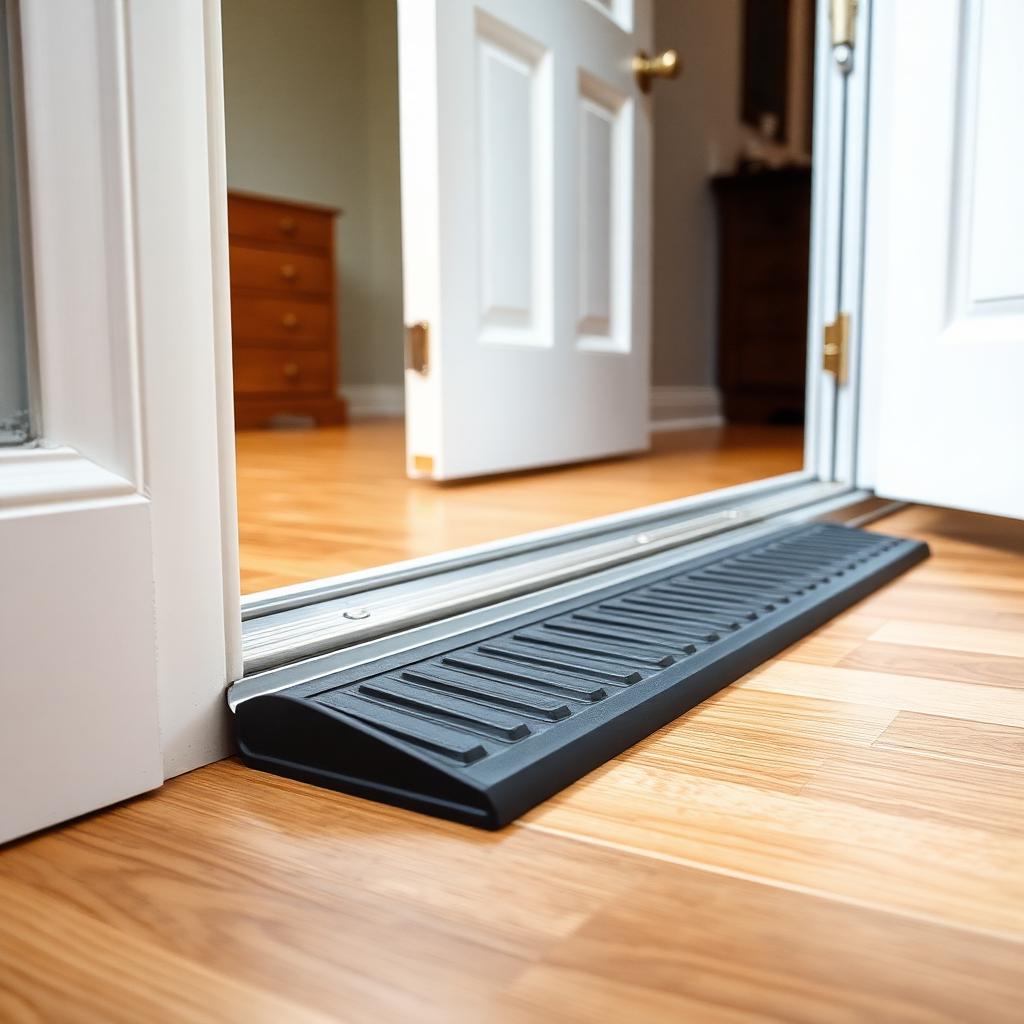
This guide contains paid links. As an Amazon Associate I earn from qualifying purchases.
“Mom’s walker and the wheelchair keep catching on the lip at the back door, and there’s one step down to the patio. Do we need a whole ramp, or is there something smaller?”
Quick answer: It depends on the rise, the height you need to get over. A threshold ramp for a raised door sill or a small lip is a small-aid purchase, generally $15–$150. A portable ramp for a step or two is a mid-sized purchase that’s priced by length. A modular ramp for several steps is a project. Installed ramps commonly run $100–$250 per linear foot, and modular aluminum systems start at about $1,000. At a 1:12 slope, every inch of rise takes a foot of ramp.
| Type | What it’s for | Cost basis |
|---|---|---|
| Threshold ramp | A raised door sill, a sliding-door track, or a small lip between floors. These are short, solid rubber or aluminum wedges. | Small-aid band, generally $15–$150 |
| Portable ramp | One or two steps, a curb, or a van. Folding “suitcase” or channel ramps are set out when needed and put away after. | Priced by length and weight rating |
| Modular ramp | Several steps, a porch, or an entry used every day. Bolted aluminum sections with handrails and landings. | From about $1,000; installed ramps $100–$250 per linear foot |
Measure the height from the lower surface to the top of the sill or step. That’s the rise. At the widely used 1:12 slope, each inch of rise needs 12 inches of ramp:
| Rise | Ramp length at 1:12 | What usually fits |
|---|---|---|
| 1 inch | 1 foot | Threshold ramp |
| 2 inches | 2 feet | Threshold ramp |
| 6 inches (about one step) | 6 feet | Portable or modular ramp. At $100–$250 per foot installed, that’s $600–$1,500, though the modular floor of about $1,000 applies. |
| 12 inches (about two steps) | 12 feet | Modular ramp: $1,200–$3,000 at $100–$250 per foot installed |
Many threshold and portable ramps are sold steeper than 1:12, because short is the whole point. A steeper ramp is harder to push up and faster coming down. Check the ramp’s length against the rise, and choose the longest one that fits the space.
EZ-ACCESS TRANSITIONS Aluminum Modular Threshold Ramp, Wheelchair, 1.5 in
The 1.5-inch rise model suits the guide's threshold-ramp advice for a small sill or door lip.
Check price on AmazonPaid link. As an Amazon Associate I earn from qualifying purchases.
For longer runs, the 2010 ADA Standards for public buildings are a common reference. They call for no more than 30 inches of rise before a level landing, landings at least 60 inches long, and at least 36 inches of clear width. Homes don’t have to follow them, but they’re a sound starting point. The wheelchair ramp cost guide covers materials, landings, and permits.
For a modular ramp, ask each installer for a per-foot price and a total, including landings and handrails, on the same written quote.
Check the fit: the right ramp depends on the chair or walker, who pushes, and the doorway. A ramp at the door also needs enough level space to open the door while the chair is stopped. Having an occupational therapist or a mobility dealer look at the entry before you buy is a common and worthwhile step. This is general information, not personal medical advice.
Rule of thumb: measure the rise in inches. Up to a couple of inches, a threshold ramp in the $15–$150 band usually covers it. For a step or two used now and then, price a portable ramp. Anything more, or any entry used daily without help, is a modular job. Budget $100–$250 per foot of ramp, with about $1,000 as the floor.
Ramps run $100–$250 per linear foot installed. The 1:12 slope math, materials, landings, and city permits.
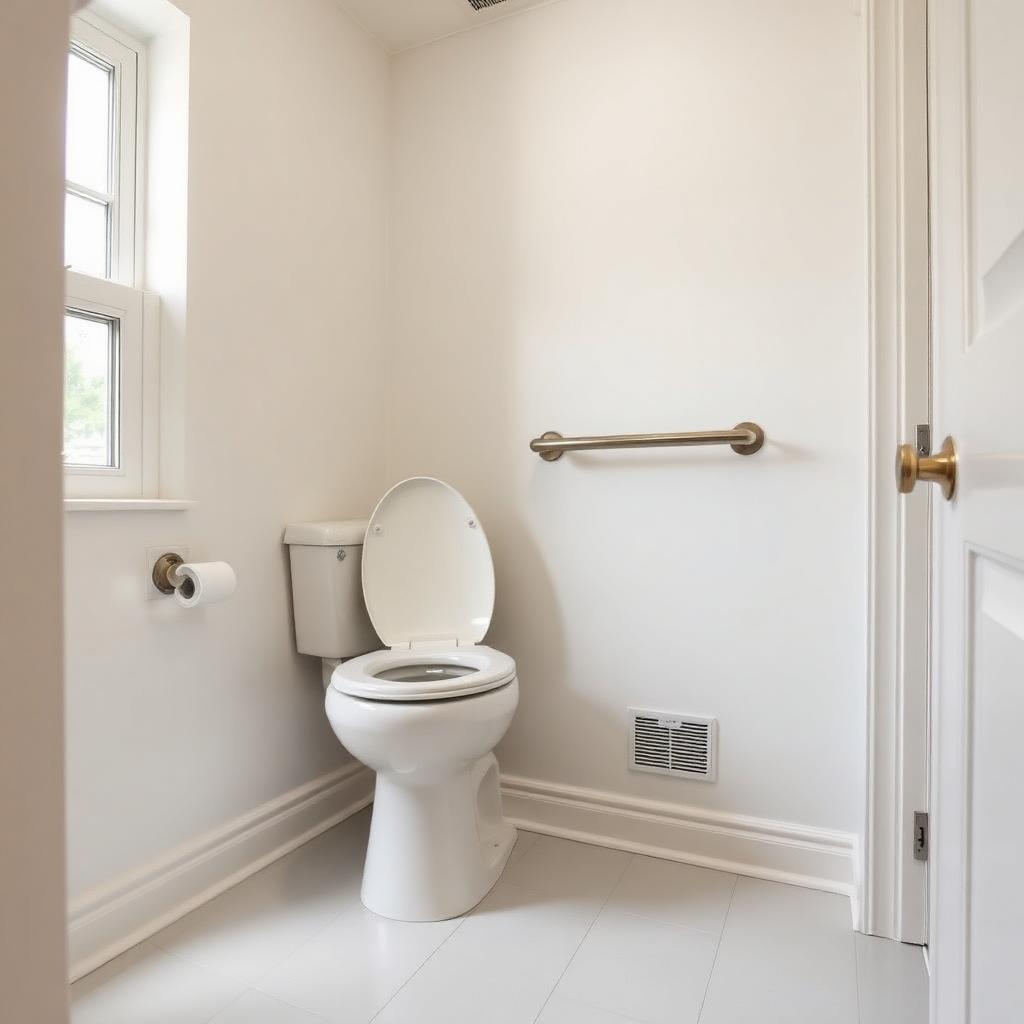
Read the guideADA and comfort-height toilets put the seat at 17–19 inches. New toilet vs riser seat, and what each costs.
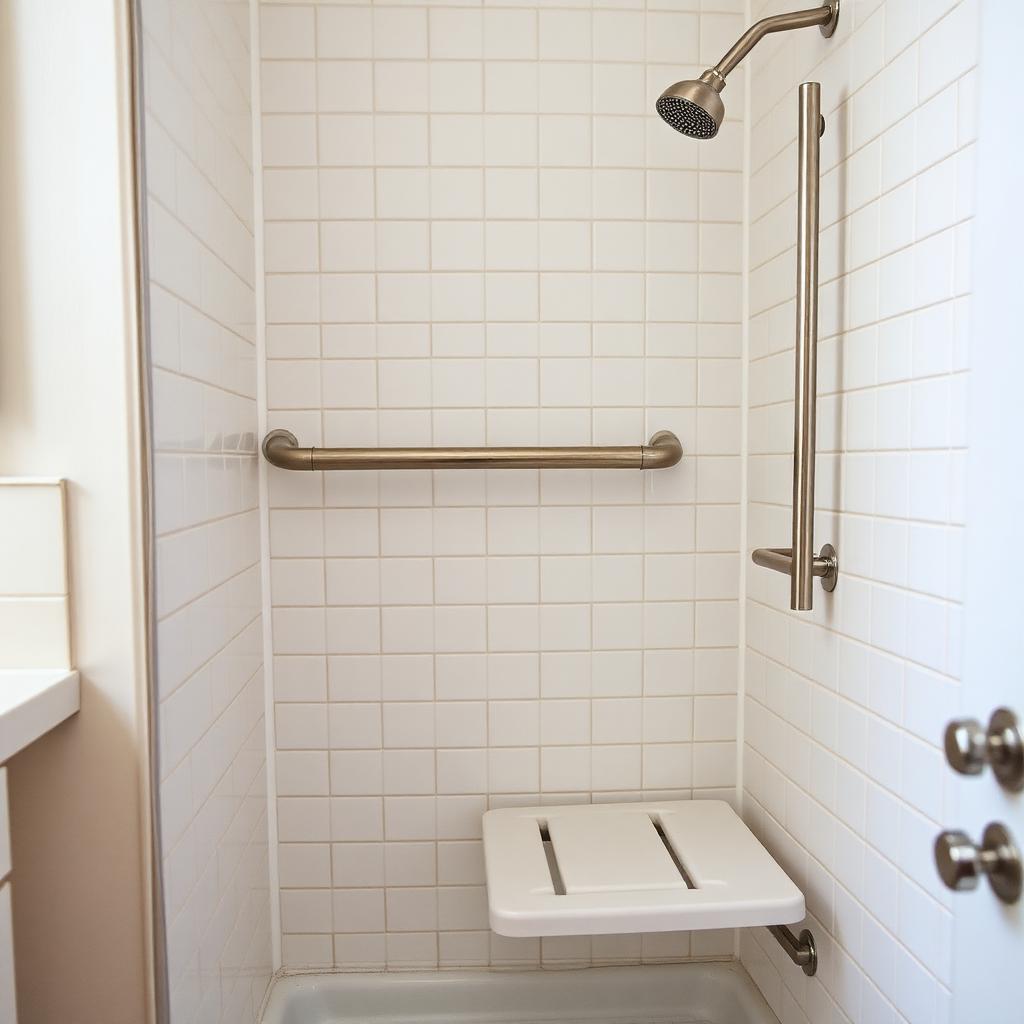
Read the guideGrab bars cost $15–$150 each plus labor. Studs, blocking, rated anchors, ADA heights, and why suction cups don't count.
Read the guide