Editorial Desk, Researched guides — prices checked against published cost guides, dealer data, and manufacturer specifications
“Dad can’t manage the stairs, and the bedroom is upstairs. How much is a chair lift for the stairs?”
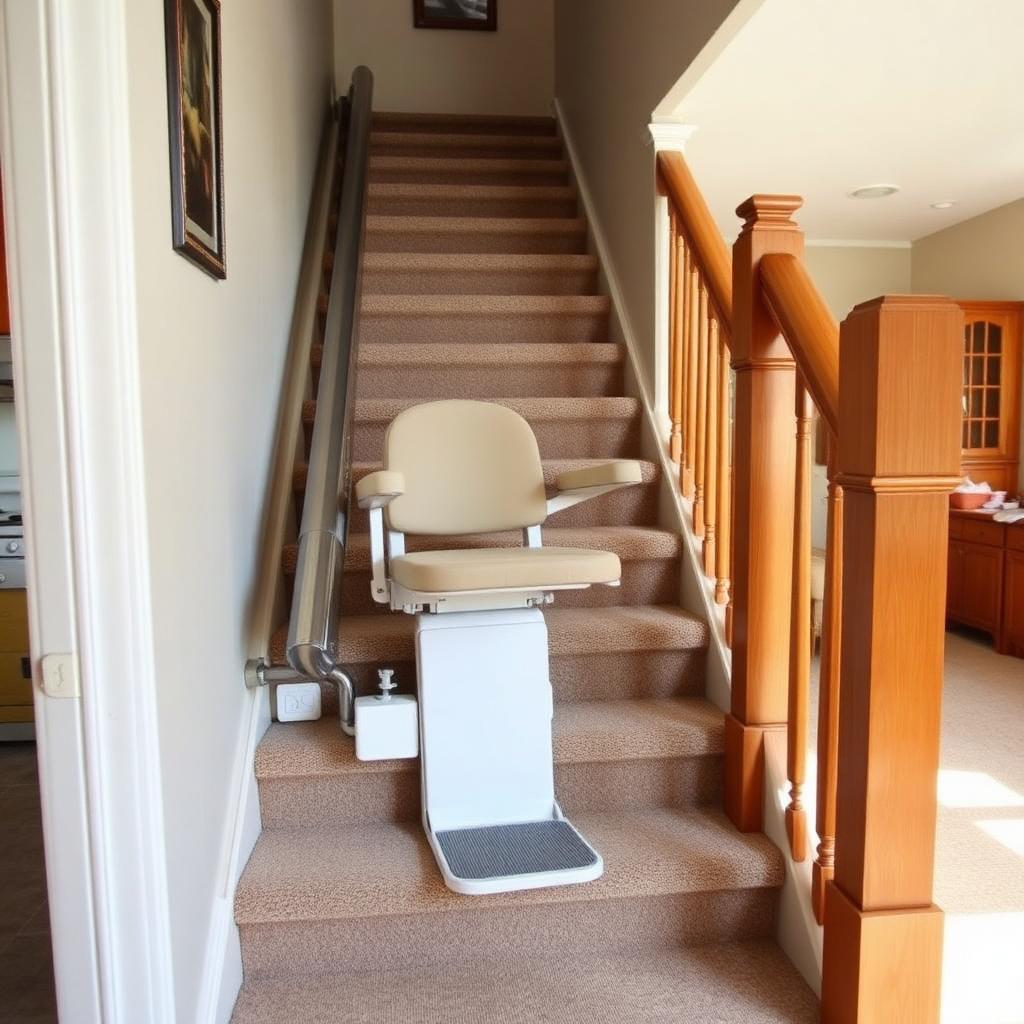
Quick answer: A straight stair lift typically costs $2,500–$8,000 installed. A curved stair lift can run up to $25,000, because its rail is custom-built for one staircase. (Ranges from Chapter’s stair lift cost guide; Thumbtack and Forbes ranges agree in substance.)
Stair lift cost at a glance
| Type |
Typical installed price |
Why |
| Straight, indoor |
$2,500–$8,000 |
Standard rail cut to length; the most common install |
| Curved, indoor |
Up to $25,000 |
Rail custom-made to the stair’s turns and landings |
| Outdoor (straight or curved) |
Quoted per job |
Weather-rated model and outdoor mounting; ask for an itemized quote |
Straight vs curved: why the price jumps
A straight staircase uses a straight rail. Dealers stock straight rails, cut them to length, and bolt them to the stair treads, so installation is usually quick.
A staircase with a turn, a landing, or a curve needs a custom rail. The dealer measures the stair on site, and the rail is fabricated to follow that exact path. You’re paying for engineering, fabrication, and a longer install — and the rail can’t easily be reused on another staircase. That custom rail is the main reason curved lifts reach the top of the range.
Some L-shaped stairs with a flat landing can use two straight lifts instead of one curved one. Whether that works depends on the landing size and the user’s ability to move from one chair to the other, so ask the dealer to quote both options.
Indoor vs outdoor
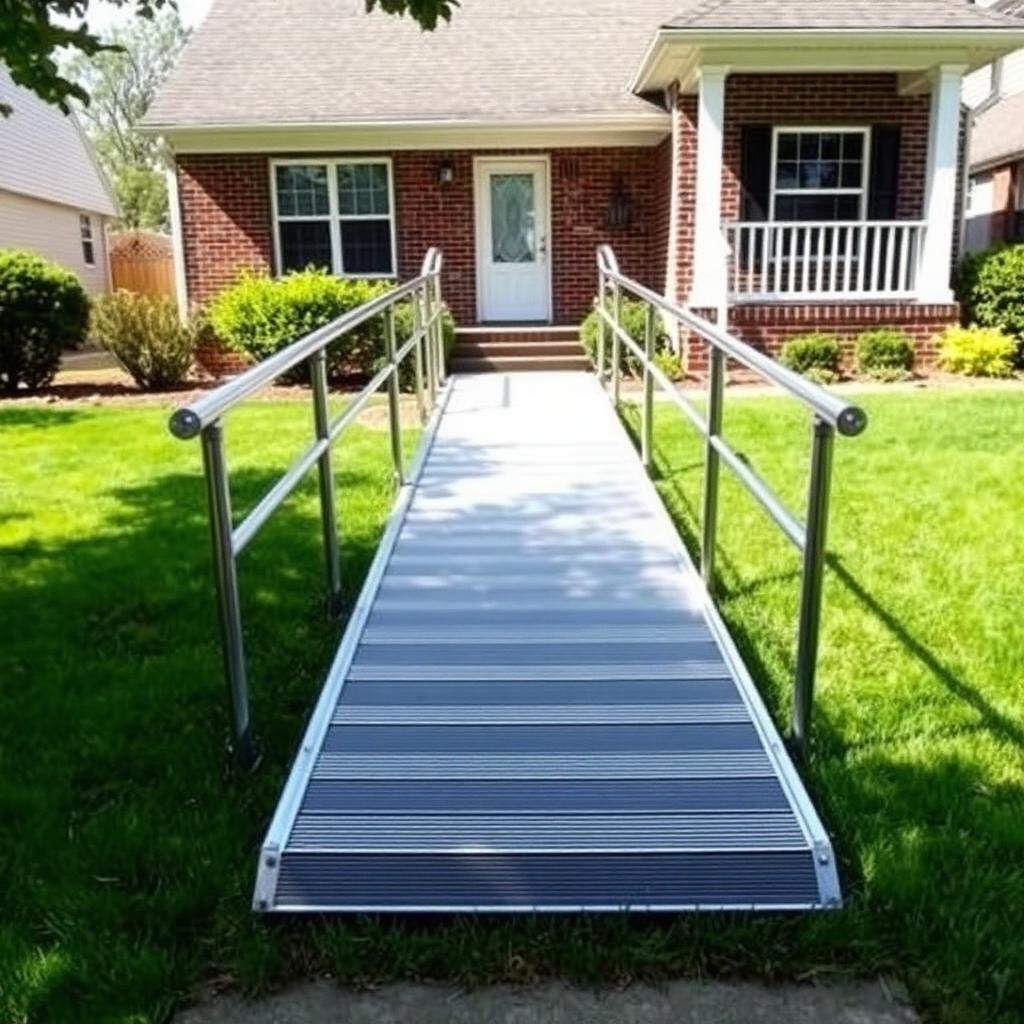
Outdoor stair lifts are built to handle rain, sun, and temperature swings, and they usually come with a weather cover. They are priced separately from indoor models. Get an itemized quote that lists the unit, the rail, the mounting, and any concrete or deck work.
Rental and used lifts: the honest money-savers
- Rental. For a short-term need, some dealers rent straight stair lifts. Ask about the monthly rate, installation and removal fees, and whether rent can be credited toward buying.
- Used and refurbished. Straight rails can often be cut to fit a new straight staircase, so dealers resell refurbished straight lifts. Ask about battery age, warranty, and who services it.
- Curved lifts rarely transfer. Because the rail is custom-built, a used curved lift almost never fits another home’s stairs. Be wary of a curved deal that sounds too good.
Medicare and stair lifts
Original Medicare generally does not cover stair lifts; they are classed as home modifications, not durable medical equipment. Some families look at VA programs, state or local aging-services programs, or Medicaid waiver programs, which vary by state. Ask each program directly what it covers. This site is not affiliated with Medicare, CMS, or any government agency.
Honest Downsides
- It still takes up stair width. The seat and footrest fold, but the rail and folded chair narrow the staircase for everyone else.
- Batteries are a running cost. Most modern lifts run on batteries that charge at the ends of the rail. Batteries wear out and need replacing. Ask what a replacement costs and how often it’s needed.
- It needs power nearby. Plan for an outlet near the top or bottom of the stairs, or budget for an electrician.
- Curved rails stay with the house. If you move, a curved lift usually can’t come with you, and resale value is low.
- The transfer still matters. The user has to get on and off the seat at the top and bottom. If those transfers are hard, the lift alone may not be the full answer.
Check the fit first: seat height, swivel-seat direction, footrest size, and space at the top landing all affect safe transfers. Having an occupational therapist look at the stair and the user’s transfers before you order is a common and worthwhile step. This is general information, not personal medical advice.
Rule of thumb: a straight staircase is a $2,500–$8,000 job. Any turn or landing moves you into custom-rail pricing, so get at least two in-person measurements and quotes before you sign.
General cost and fit information only — not medical advice and not a quote. Whether a product suits a particular person is a question for their clinician or an occupational therapist. Electrical, plumbing, and structural work belong with licensed professionals. This site is not affiliated with Medicare, CMS, or any government agency.
Editorial Desk
Researched guides — prices checked against published cost guides, dealer data, and manufacturer specifications
Researched cost guides built from published cost data, dealer pricing, comparison testing, and manufacturer specifications. General information — not a quote, not medical advice, and not a contractor referral.