ADA and Comfort-Height Toilet Cost: Seat Heights, Prices, and the Riser Option
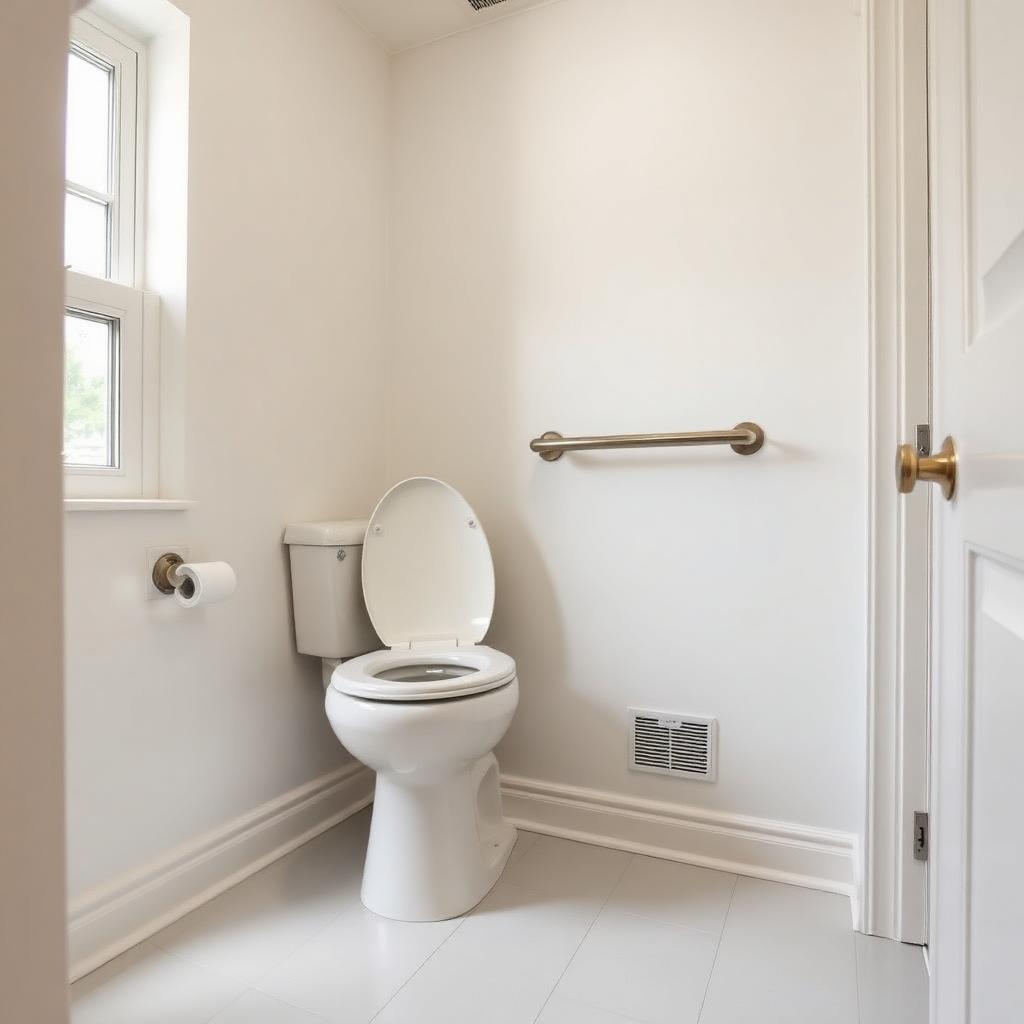
ADA and comfort-height toilets put the seat at 17–19 inches. New toilet vs riser seat, and what each costs.
Read the guide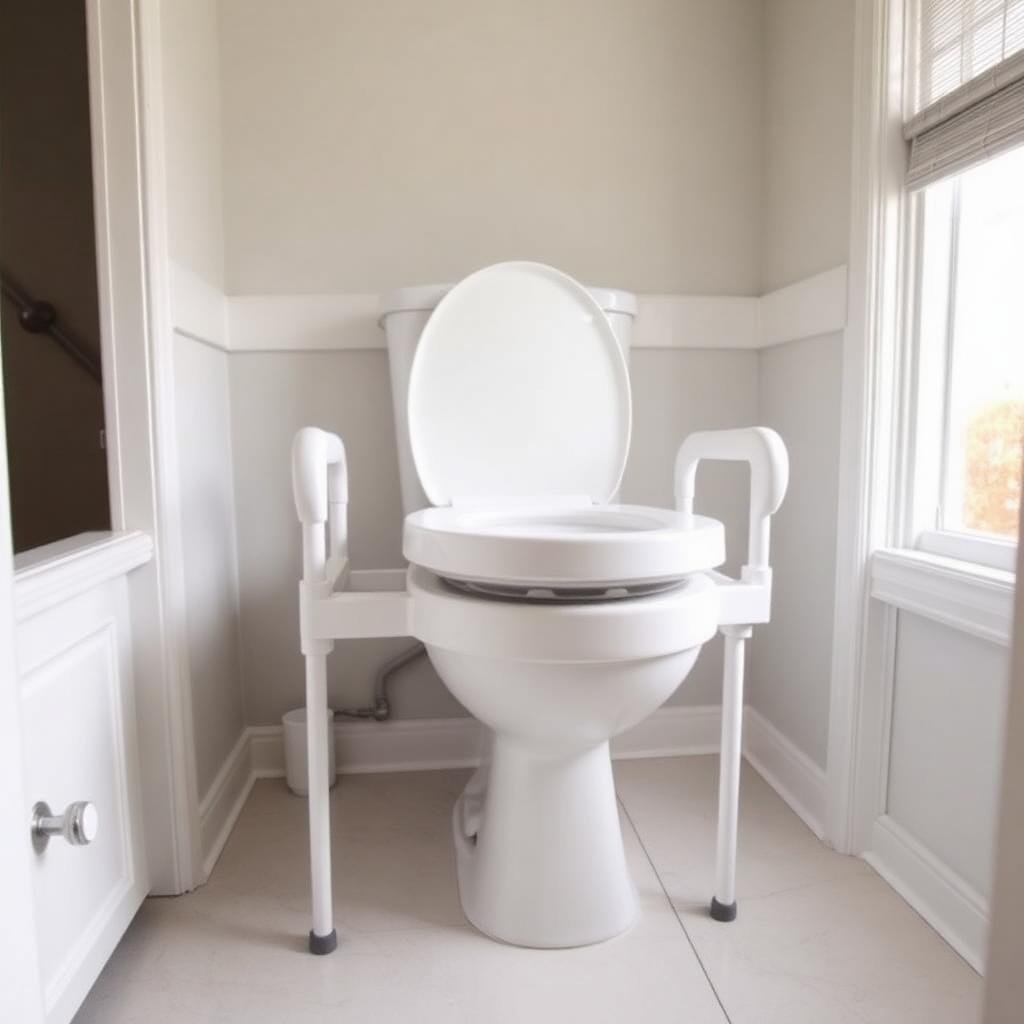
“My husband can’t get up off the toilet without me pulling him up. Is there a toilet seat that lifts you up, or do we just need a taller seat?”
Quick answer: There are two very different products. A riser seat adds a few inches of height to the existing toilet. It’s a small-aid purchase, generally $15–$150. A powered toilet lift seat is a motorized seat that tilts and raises the person toward standing, then lowers them gently to sit. It costs far more than a riser, and it is priced by written quote. The height that matters is 17–19 inches from the floor to the top of the seat, the ADA range. If extra height plus something solid to push on is enough, the riser is the cheaper honest answer.
| Option | What it does | Cost basis |
|---|---|---|
| Riser seat (no arms) | Locks or clamps onto the bowl and adds height. Nothing moves. | Small-aid band, generally $15–$150 |
| Riser seat with arms, or a toilet safety frame | Adds height plus armrests to push up from | Small-aid band, generally $15–$150 |
| Powered toilet lift seat | A motor lifts and tilts the seat forward to bring the person toward standing, and lowers it to sit | Price by written quote, delivery and setup included |
| New comfort-height toilet | A permanent 17–19 inch seat height | Fixture plus installation; see the ADA toilet cost guide |
A powered lift sits over or around the existing toilet. The seat is on a motorized frame. At the press of a button or a hand control, it rises and tilts forward to bring the person up toward standing. It also lowers them back down to sit. Most units run on a rechargeable battery, a plug-in power supply, or both. It does the lifting a riser can’t do. It’s also bigger, heavier, and far more expensive.
For many households, a riser seat with arms, or a riser plus a grab bar beside the toilet, solves the problem for a small fraction of a powered lift’s price. It works when the person can stand with a few extra inches of height and something solid to push on. It doesn’t work when they need to be physically lifted. That’s the gap a powered lift fills, and it’s the honest reason to pay for one. The grab bar installation guide covers the bar.
Compare the same model across at least two sellers, with delivery, setup, and any outlet work listed as separate lines.
Fit matters: how much height a person needs, and whether they need to be lifted or just need a higher seat and something to push on, depends on how they stand up. Having an occupational therapist check before you buy a powered lift is a common and worthwhile step. Red flags worth raising with a clinician include new trouble standing, dizziness on standing, or a recent fall in the bathroom. This is general information, not personal medical advice.
Rule of thumb: measure the seat height and the bowl shape first. If a few inches plus armrests or a grab bar does the job, a $15–$150 riser is the answer. Pay for a powered lift only when the person needs to be lifted, not just raised.
ADA and comfort-height toilets put the seat at 17–19 inches. New toilet vs riser seat, and what each costs.
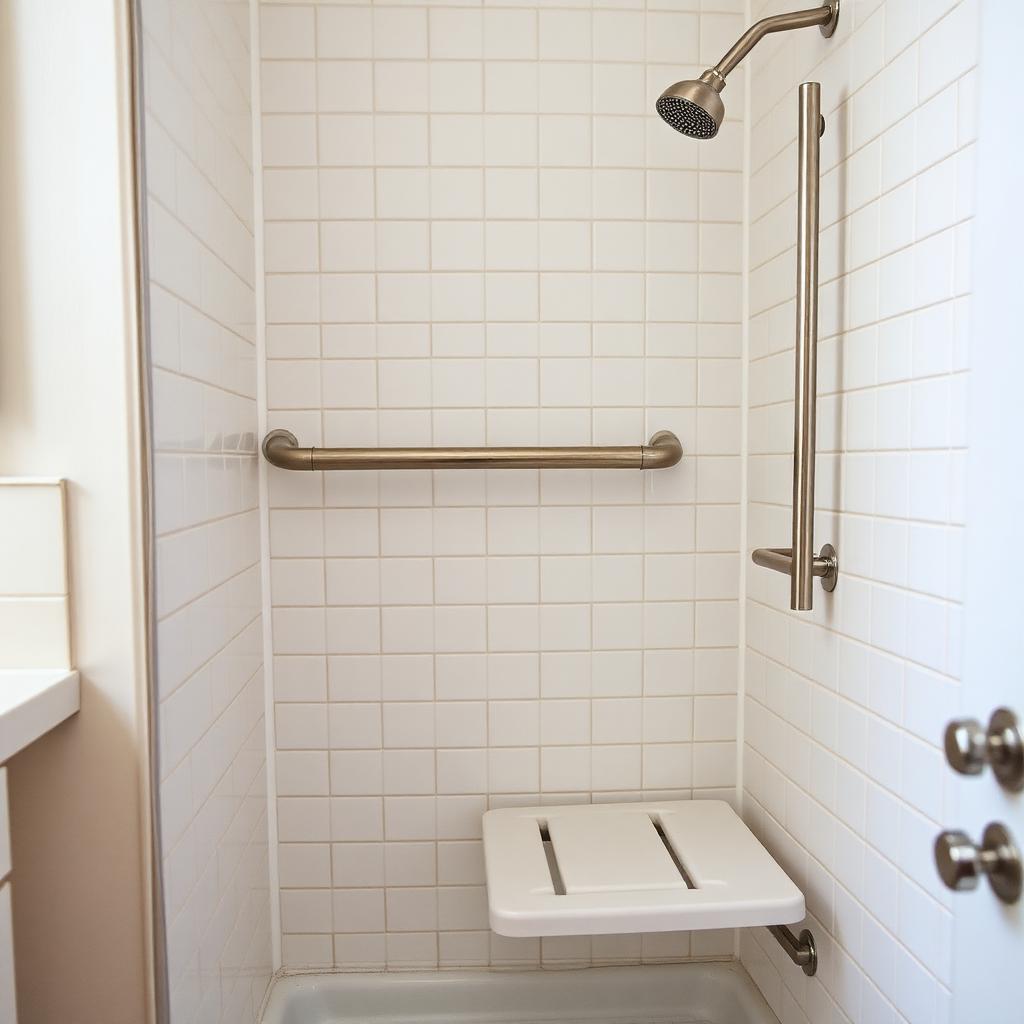
Read the guideGrab bars cost $15–$150 each plus labor. Studs, blocking, rated anchors, ADA heights, and why suction cups don't count.
Read the guideFall detection adds about $10 a month at Medical Guardian, on top of $19.95\u2013$47.95 monitoring. How it works, and the truth about false alarms.
Read the guide