Grab Bar Installation Cost: Bars, Labor, and Where They Actually Go
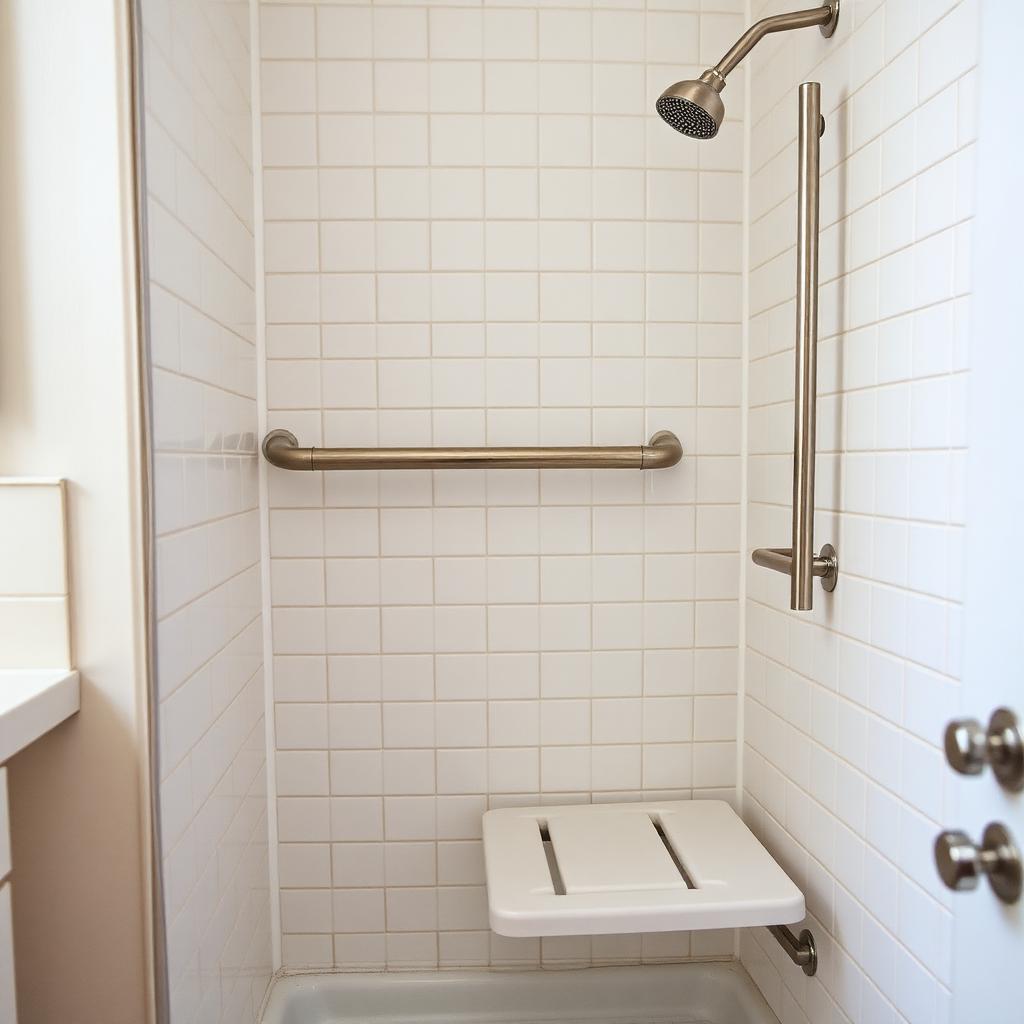
Grab bars cost $15–$150 each plus labor. Studs, blocking, rated anchors, ADA heights, and why suction cups don't count.
Read the guide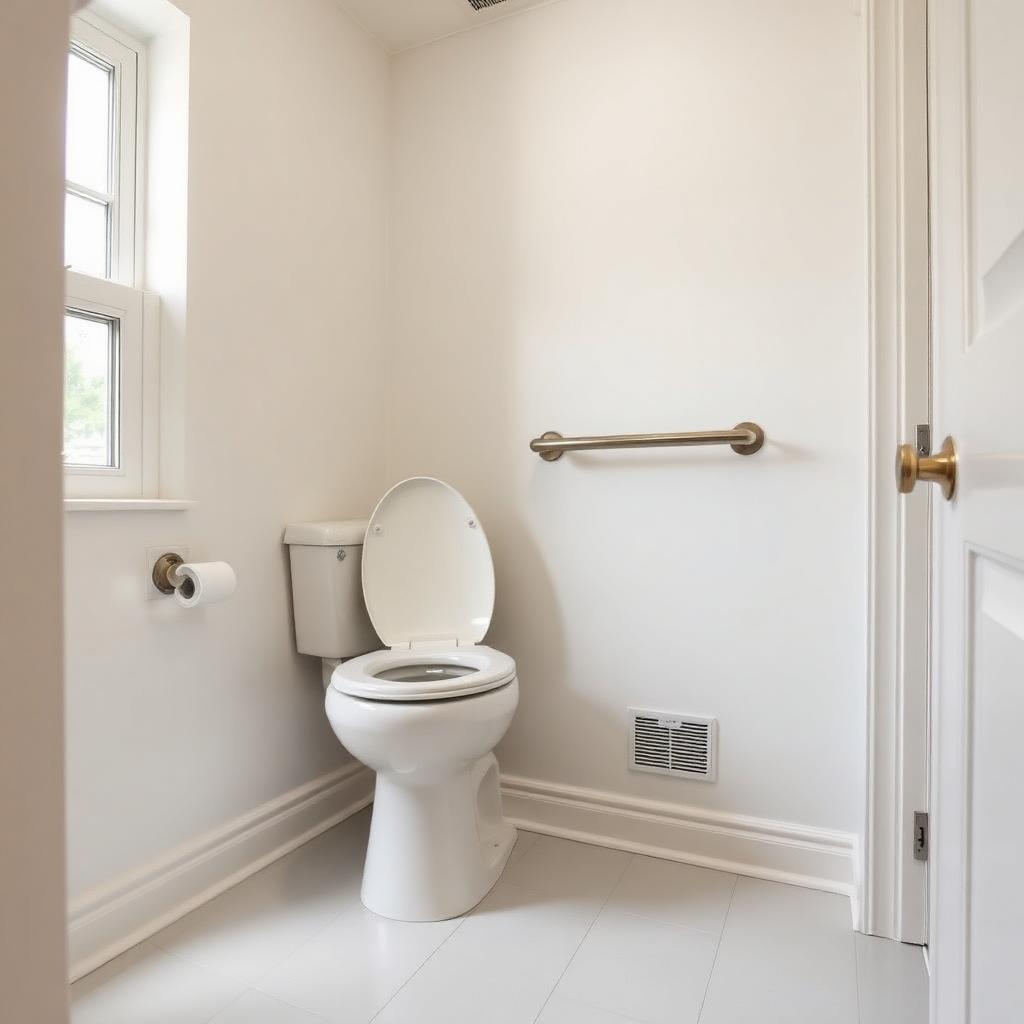
Disclosure: this page contains affiliate links. If you buy through them, we may earn a commission at no extra cost to you.
“Getting up off the toilet is getting hard for my husband. Should we buy a tall toilet, and what does that cost?”
Quick answer: The number that matters is the seat height: 17–19 inches from the floor to the top of the seat. That’s the ADA range, and it’s what “comfort height” or “chair height” toilets are built to. You can get there two ways: a riser seat on the existing toilet, a small-aid purchase in the same $15–$150 band as grab bars and shower seats, or a new comfort-height toilet, which is a fixture plus plumbing labor priced by written quote.
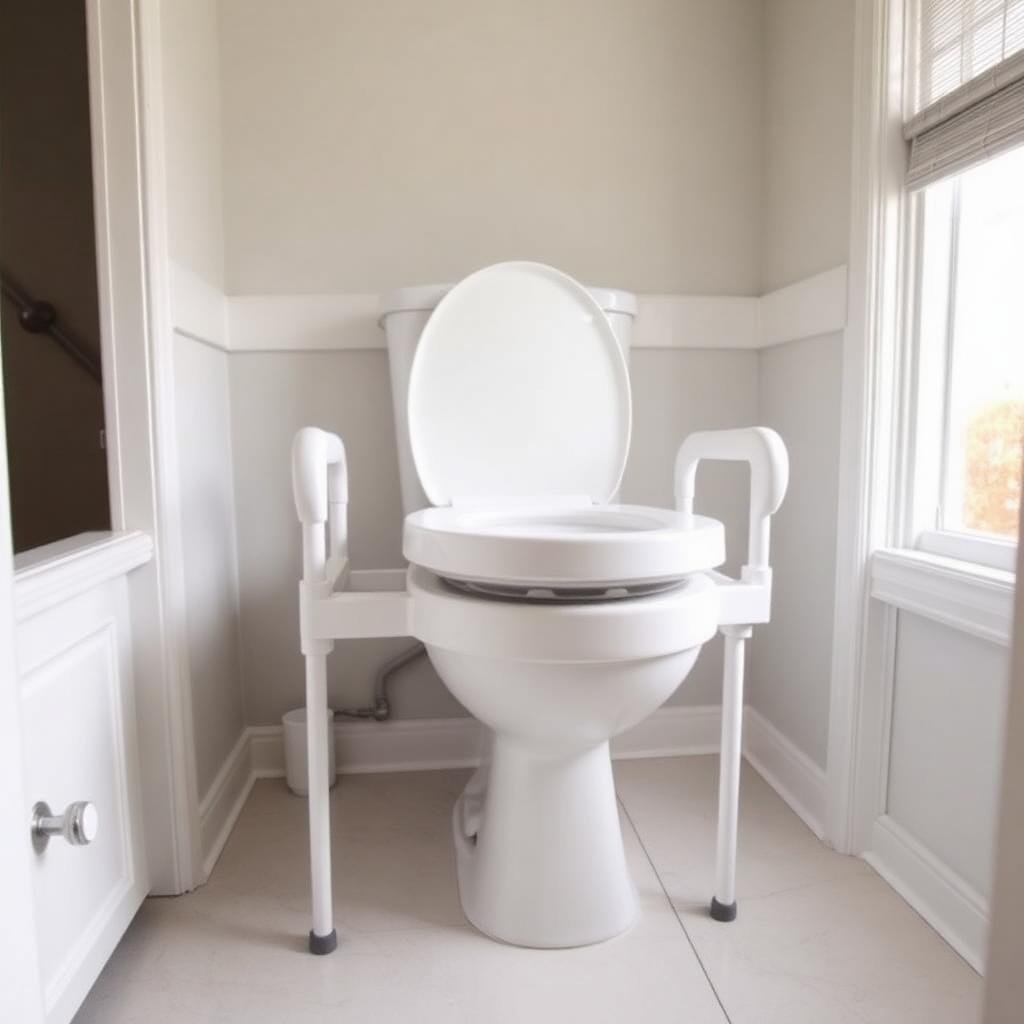
A raised toilet seat clamps or locks onto the existing bowl and adds height. Some include arms. It falls in the small bathroom-aid price band, generally $15–$150. It installs in minutes, needs no plumber, and comes off when it’s no longer needed. If the need is temporary, or the toilet is otherwise fine, this is usually the right first purchase.
Replacing the toilet costs the fixture plus installation: removing the old toilet, a new wax ring, a supply line, and haul-away. Labor rises if the floor flange is damaged or the floor around it is soft. Ask for the fixture and labor priced separately, and confirm the new toilet’s rough-in (usually 12 inches from the wall to the bolts) matches your bathroom.
| Choice | What it costs | Best fit |
|---|---|---|
| Riser seat | Small-aid band, generally $15–$150 | Short-term need, rental homes, a sound existing toilet |
| New comfort-height toilet | Fixture plus install; get a written quote | Old or failing toilet, a remodel, long-term need |
| Grab bar beside the toilet | See the grab bar guide | Often paired with either option |
Fit matters: the right height depends on the person’s leg length and how they stand up. Having an occupational therapist check seat height and where a grab bar should go is a common and worthwhile step. This is general information, not personal medical advice.
Rule of thumb: measure, then try a riser seat first if the toilet is sound. Buy a new 17–19 inch toilet when the old one needs replacing anyway, or when the need is long-term.
For a seat that lifts, see the toilet lift seat guide.
Most comfort-height toilets top out around 19 inches at the seat. The SimpleProject ELEMAZ 21-inch tall toilet sits at 21.8 inches — the tallest standard-fit option we found — with a MaP 1000g flush rating and WaterSense certification. It was $269 at the maker’s store as of Nov 14, 2026, with free shipping and a 30-day return window.
Disclosure: that link is an affiliate link. If you buy through it, this site may earn a commission at no extra cost to you.
Grab bars cost $15–$150 each plus labor. Studs, blocking, rated anchors, ADA heights, and why suction cups don't count.
Read the guideRiser seats cost $15\u2013$150, and powered toilet lifts are priced by quote. Bowl shape, weight, and space limits, and when a riser is enough.
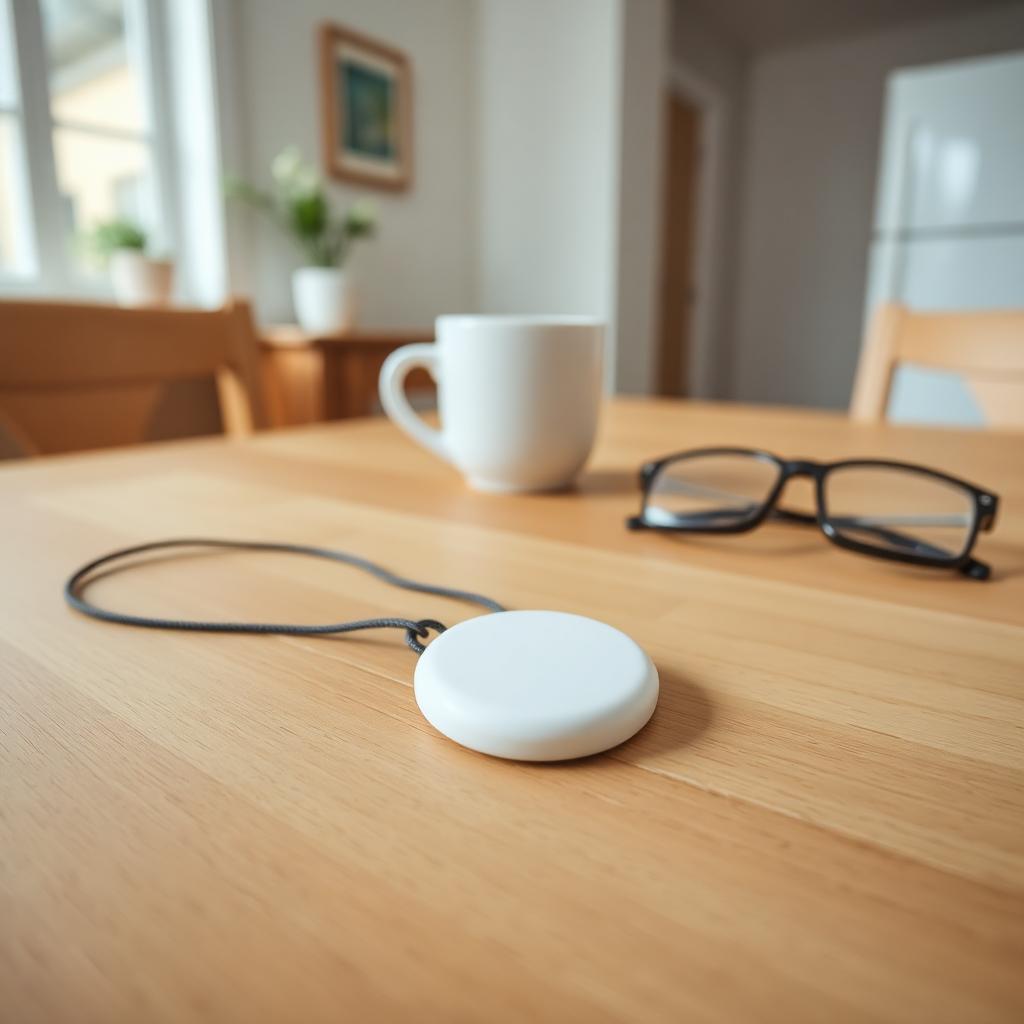
Read the guideFall detection adds about $10 a month at Medical Guardian, on top of $19.95\u2013$47.95 monitoring. How it works, and the truth about false alarms.
Read the guide