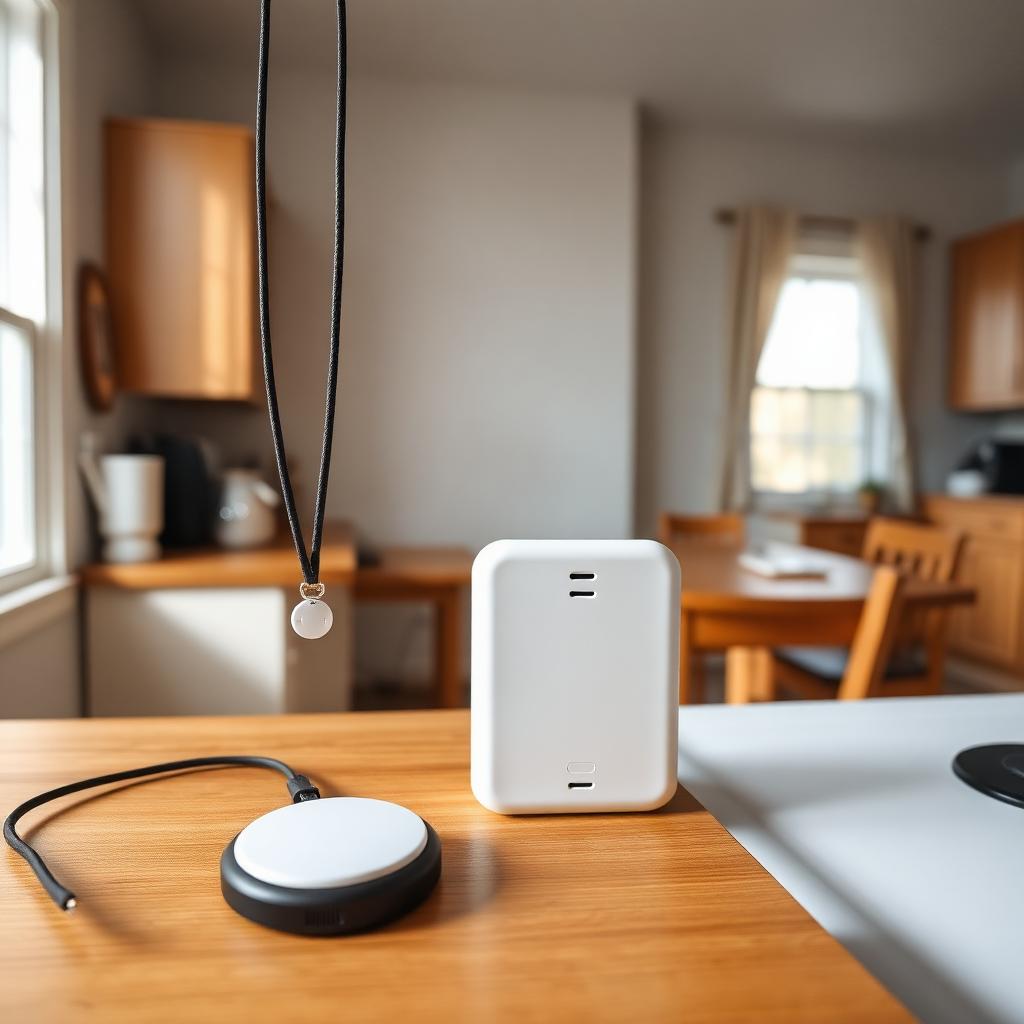
Medical Alert System Cost: Monthly Fees, Fall Detection, and Contract Traps
Medical alert monitoring costs $19.95–$47.95 a month. Fall-detection add-ons, equipment fees, and contract traps.
Read the guide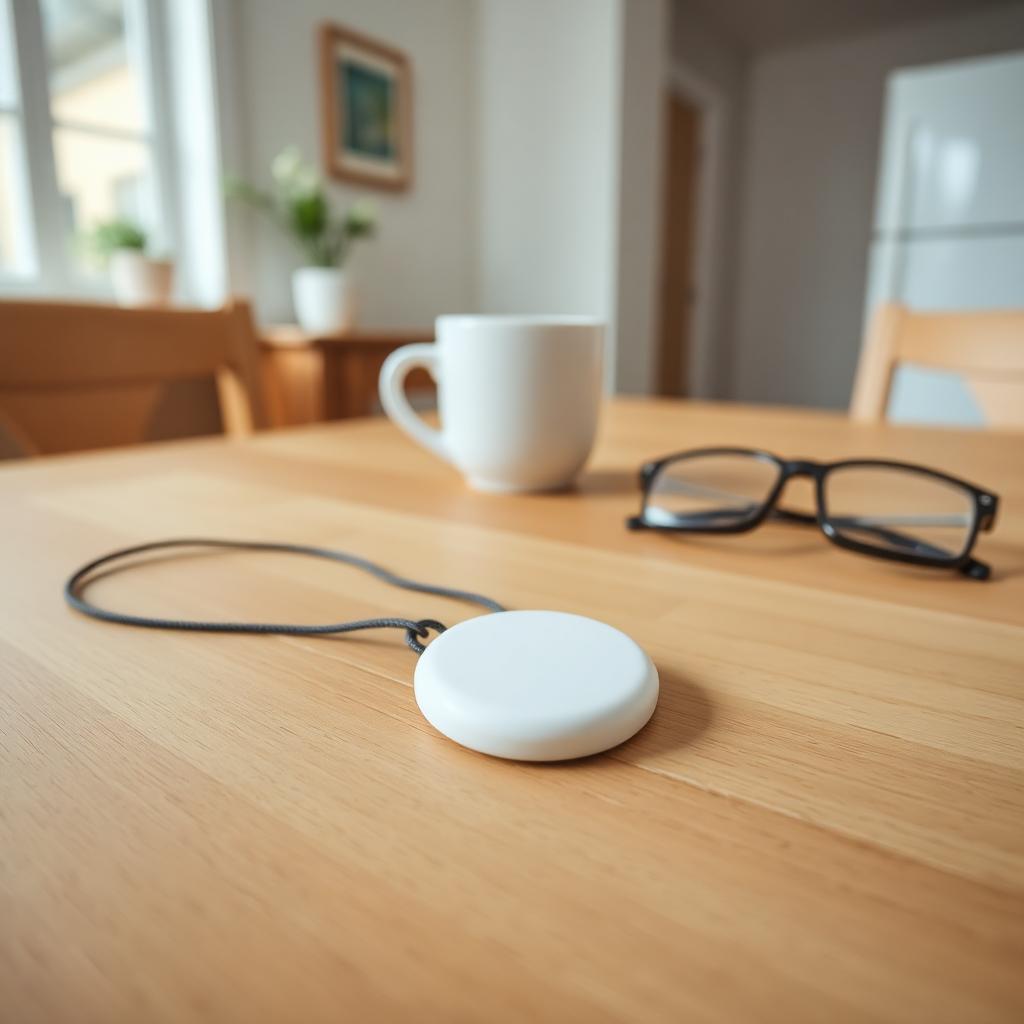
“Mom wouldn’t be able to press a button if she fell and hit her head. Is there an alarm that goes off by itself, and how much extra is it every month?”
Quick answer: Automatic fall detection is usually sold as an add-on to a medical alert monitoring plan, not as a separate product. At Medical Guardian, for example, it adds about $10 per month, or about $120 a year. That’s on top of base monitoring, which typically runs $19.95–$47.95 per month across major brands. Fall detection is useful, but no system catches every fall, and false alarms happen. Price it as part of the full monthly bill.
| Line | Published price |
|---|---|
| Base monitoring, across major brands | $19.95–$47.95 per month (about $240–$575 a year) |
| Medical Guardian monitoring | About $29.95–$34.95 per month |
| Fall detection add-on (Medical Guardian) | About +$10 per month (about +$120 a year) |
| Medical Guardian monitoring with fall detection | About $39.95–$44.95 per month (the two lines above added together) |
| Bay Alarm Medical monitoring | From about $27.95 per month; the fall-detection price is set by the company |
Prices are from comparison testing published in October 2026 and change often. Some companies charge for fall detection per device, so a second pendant or a mobile unit may carry its own add-on fee. Get the full first-year price in writing: monitoring, fall detection, equipment, and activation.
A fall-detection device has motion sensors that track how the wearer moves. When the sensors register a pattern that looks like a fall, such as a sudden drop followed by stillness, the device is designed to call the monitoring center automatically. The person doesn’t have to press anything. The operator then tries to talk to the person through the device and sends help or calls a contact, depending on the plan’s set-up. The device measures motion, not health. It doesn’t know why someone moved the way they did.
Availability changes by company and model. Ask each company which of its devices offers fall detection, and what each one costs per month.
Services you’ll see in the market include Medical Alert, LifeFone, Medical Guardian, Bay Alarm Medical, and Lively. Compare them on the same lines: base monitoring, the fall-detection add-on, equipment, activation, and cancellation terms. The medical alert system cost guide covers the full monthly bill.
General safety note: a medical alert system with fall detection is a way to place a call for help. It doesn’t replace emergency care. After any fall involving a head strike, or a fall where someone can’t get up, call 911. Red flags worth raising with a doctor include repeated falls, new dizziness, or a recent fall the person can’t explain. This is general education, not personal medical advice. Medicare generally does not cover medical alert systems; this site is not affiliated with Medicare, CMS, or any government agency.
Rule of thumb: if the person might not be able to press a button after a fall, the add-on is worth pricing. Add about $10 a month to the base plan as a starting estimate, confirm the exact add-on price for the device they’ll actually wear, and choose a plan you can cancel without a long contract.
Medical alert monitoring costs $19.95–$47.95 a month. Fall-detection add-ons, equipment fees, and contract traps.
Read the guideWalker vs rollator: how they differ, what drives the price, fitting the handles at the wrist crease, and wheels vs glides.
Read the guideAdjustable bases vs full beds, split-king setups, the features that matter for getting in and out of bed, and why the mattress costs extra.
Read the guide