Fall Detection Cost: The Monthly Add-On, How It Works, and False Alarms
Fall detection adds about $10 a month at Medical Guardian, on top of $19.95\u2013$47.95 monitoring. How it works, and the truth about false alarms.
Read the guide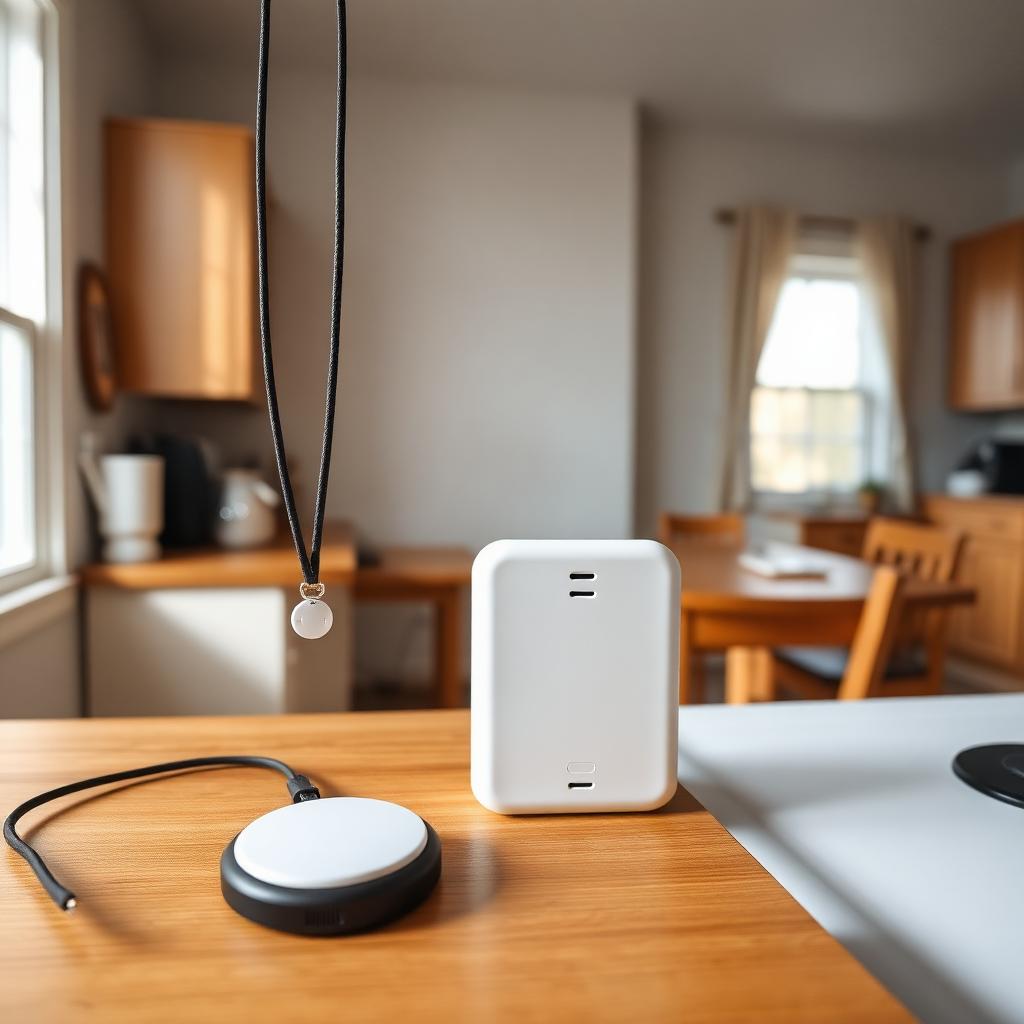
“Mom lives alone and I worry about a fall when nobody’s there. What does a fall alarm actually cost per month?”
Quick answer: Medical alert monitoring typically costs $19.95–$47.95 per month across major brands — roughly $240–$575 a year in monitoring alone. Automatic fall detection is often a paid add-on; at Medical Guardian, for example, it adds about $10 per month. Equipment, activation, and contract terms vary by company and change the real first-year total.
| Item | Published price |
|---|---|
| Monitoring, across major brands | $19.95–$47.95 per month |
| Medical Guardian monitoring | About $29.95–$34.95 per month |
| Bay Alarm Medical monitoring | From about $27.95 per month |
| Fall detection add-on (Medical Guardian) | About +$10 per month |
Prices are from comparison testing published in October 2026 and change often. Check the company’s current price page and get the full first-year cost in writing.
The market includes Medical Alert, LifeFone, Medical Guardian, and Lively, among others. They differ in in-home versus mobile devices, cellular versus landline service, fall-detection pricing, and contract terms. Compare them on the same four lines: monthly monitoring, equipment cost, activation fee, and cancellation terms.
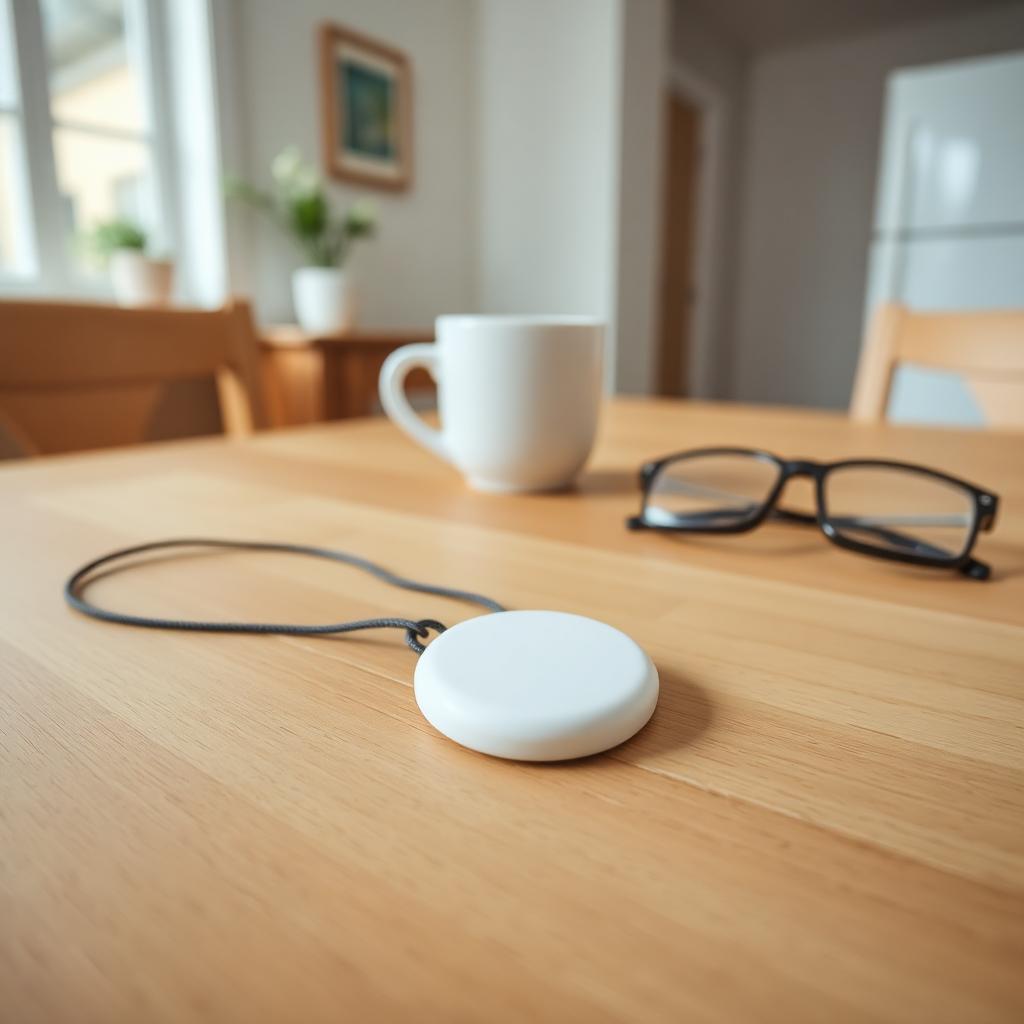
A fall-detection pendant or watch has motion sensors that are designed to place a call to the monitoring center automatically when they register a motion pattern that looks like a fall. The person doesn’t have to press the button. That’s the feature you pay the add-on for. It measures motion, not health, and it doesn’t catch every fall (see below).
General safety note: a medical alert system is a way to place a call for help. It doesn’t replace emergency care. After any fall involving a head strike, or a fall where someone can’t get up, call 911. Red flags worth raising with a doctor include repeated falls, new dizziness, or a recent fall the person can’t explain. This is general education, not personal medical advice. Medicare generally does not cover medical alert systems; this site is not affiliated with Medicare, CMS, or any government agency.
Rule of thumb: price it as a subscription, not a gadget. Multiply the monthly fee, plus any add-ons, by twelve, then add equipment and activation. Choose the plan with no long contract unless the savings are spelled out in writing.
The fall detection cost guide covers the add-on in detail.
Fall detection adds about $10 a month at Medical Guardian, on top of $19.95\u2013$47.95 monitoring. How it works, and the truth about false alarms.
Read the guideWalker vs rollator: how they differ, what drives the price, fitting the handles at the wrist crease, and wheels vs glides.
Read the guideAdjustable bases vs full beds, split-king setups, the features that matter for getting in and out of bed, and why the mattress costs extra.
Read the guide